
Healthy Gums.
Stronger Foundations.
Healthy teeth need healthy gums. Periodontal care focuses on the tissues that support your teeth, helping identify and manage gum disease before it compromises your oral health.
 Comprehensive Gum CareEarly Detection & DiagnosisConservative TreatmentLong-Term Periodontal Maintenance
Healthy gums are the Foundation of a Healthy Smile.
Gum disease can develop gradually and may not always cause obvious symptoms in its early stages. Periodontics focuses on the prevention, diagnosis and treatment of conditions affecting the gums and other structures supporting your teeth.

Gum Health Assessment
A detailed evaluation of your gums and supporting tissues to identify early signs of periodontal disease.

Periodontal Cleaning
Thorough cleaning below the gumline to help manage plaque and tartar associated with gum disease.

Gingivitis Treatment
Early intervention to control gum inflammation and prevent it from progressing.

Professional Teeth Cleaning
Removal of plaque and tartar to support healthier teeth and gums.

Periodontitis Treatment
Comprehensive treatment and maintenance for more advanced gum disease affecting the tissues supporting your teeth.

Gum Recession Assessment
Evaluation of receding gums, exposed tooth roots and associated sensitivity or aesthetic concerns.

Periodontal Maintenance
Ongoing professional care and monitoring for patients with a history or increased risk of gum disease.

Oral Hygiene Guidance
Personalized advice on brushing, interdental cleaning and daily habits that support healthier gums.
Why
10 Banjara
Dental?
Gum disease isn't simply a problem with the gums. As periodontal disease progresses, it can affect the tissues and bone that support your teeth.

Comprehensive Gum Assessment

Modern Diagnostic Technology

Early Detection

Personalized Maintenance Plans

Conservative Treatment Philosophy

Long-Term Oral Health Focus
Healthy gums aren't just about how your smile looks.
They're about protecting
what holds your teeth in place.
Advanced technology for better cosmetic results
Technology allows us to deliver cosmetic treatments with greater comfort and precision.
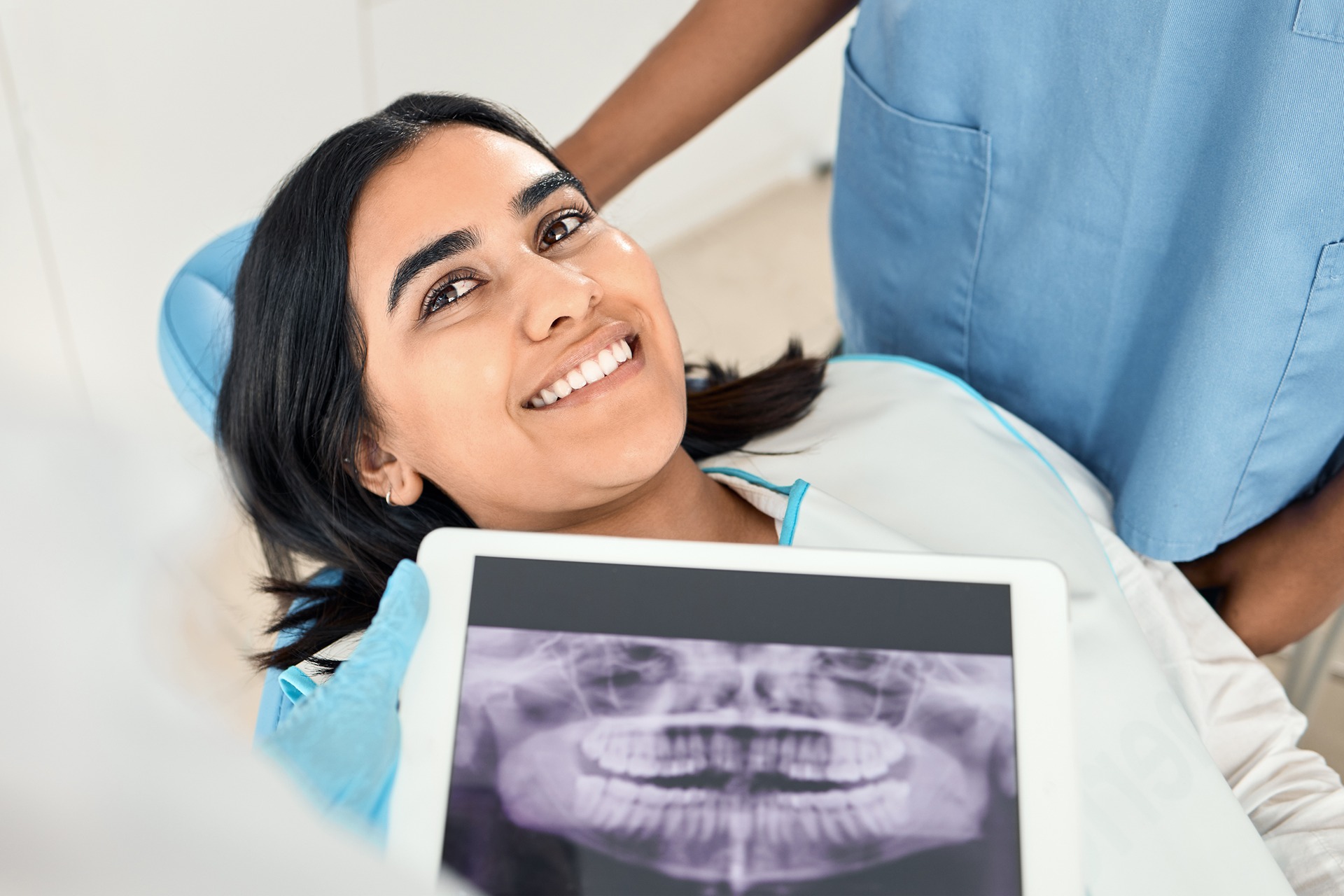
Digital X-rays
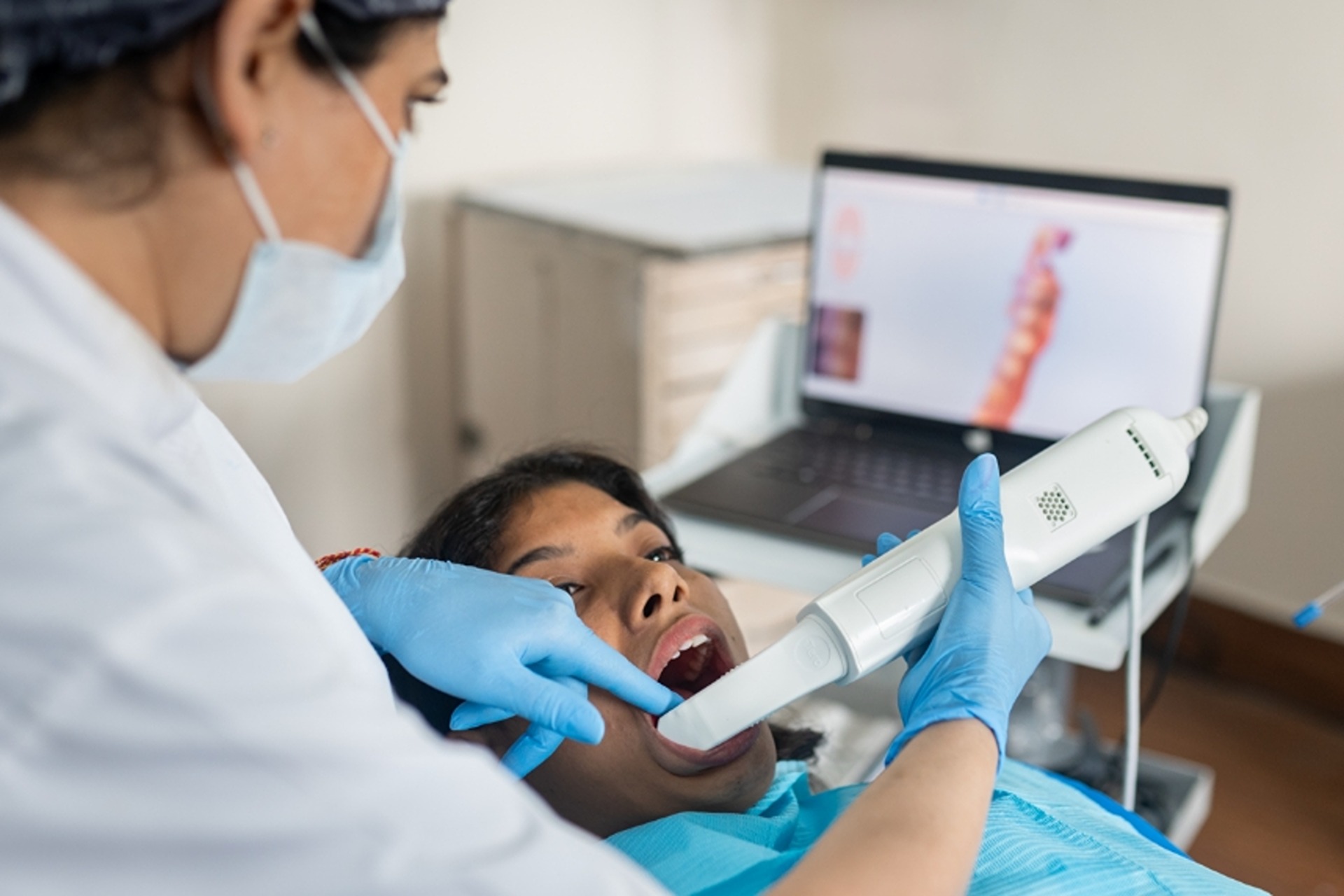
Intraoral Scanner
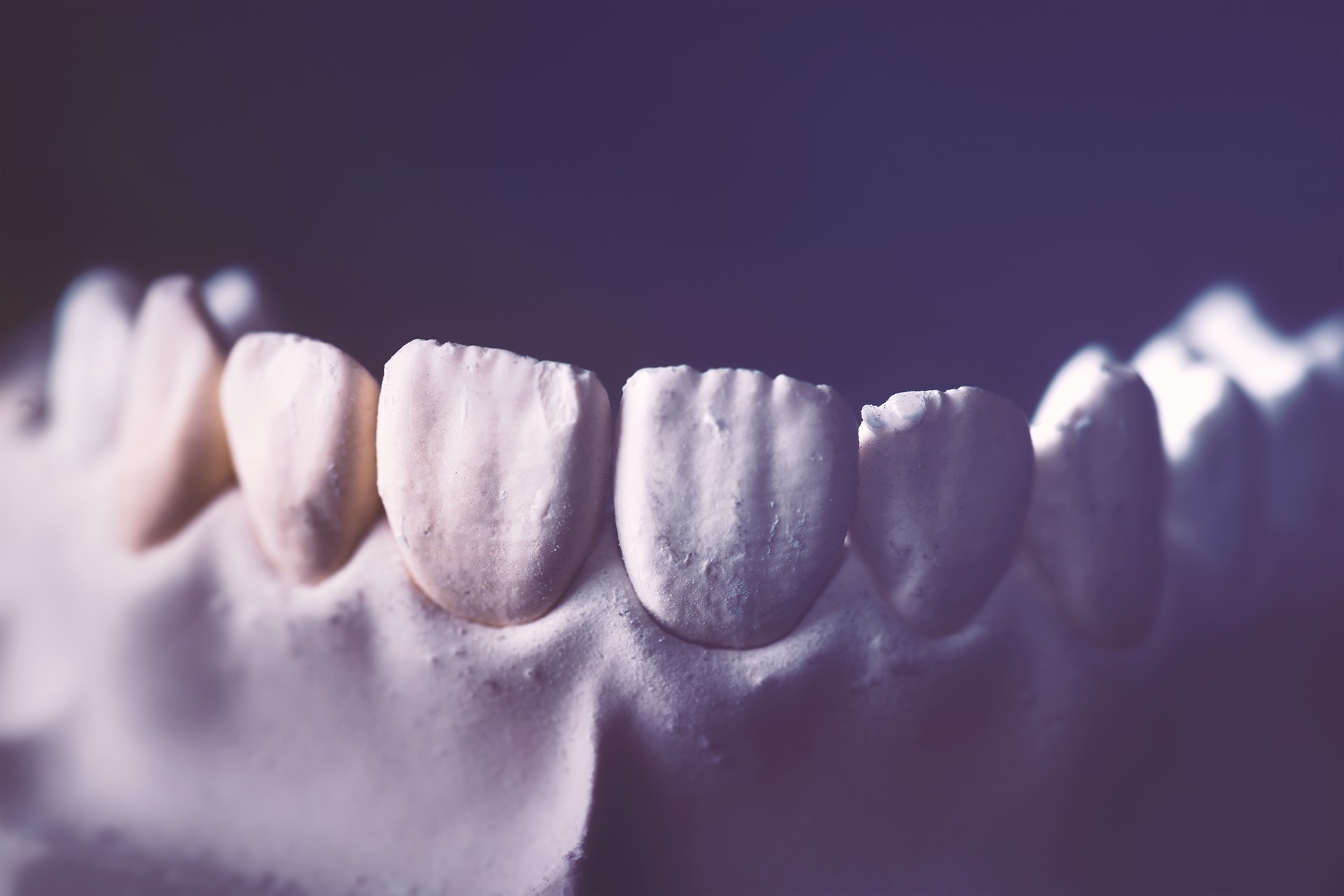
CAD/CAM Restorations

Microscope Dentistry
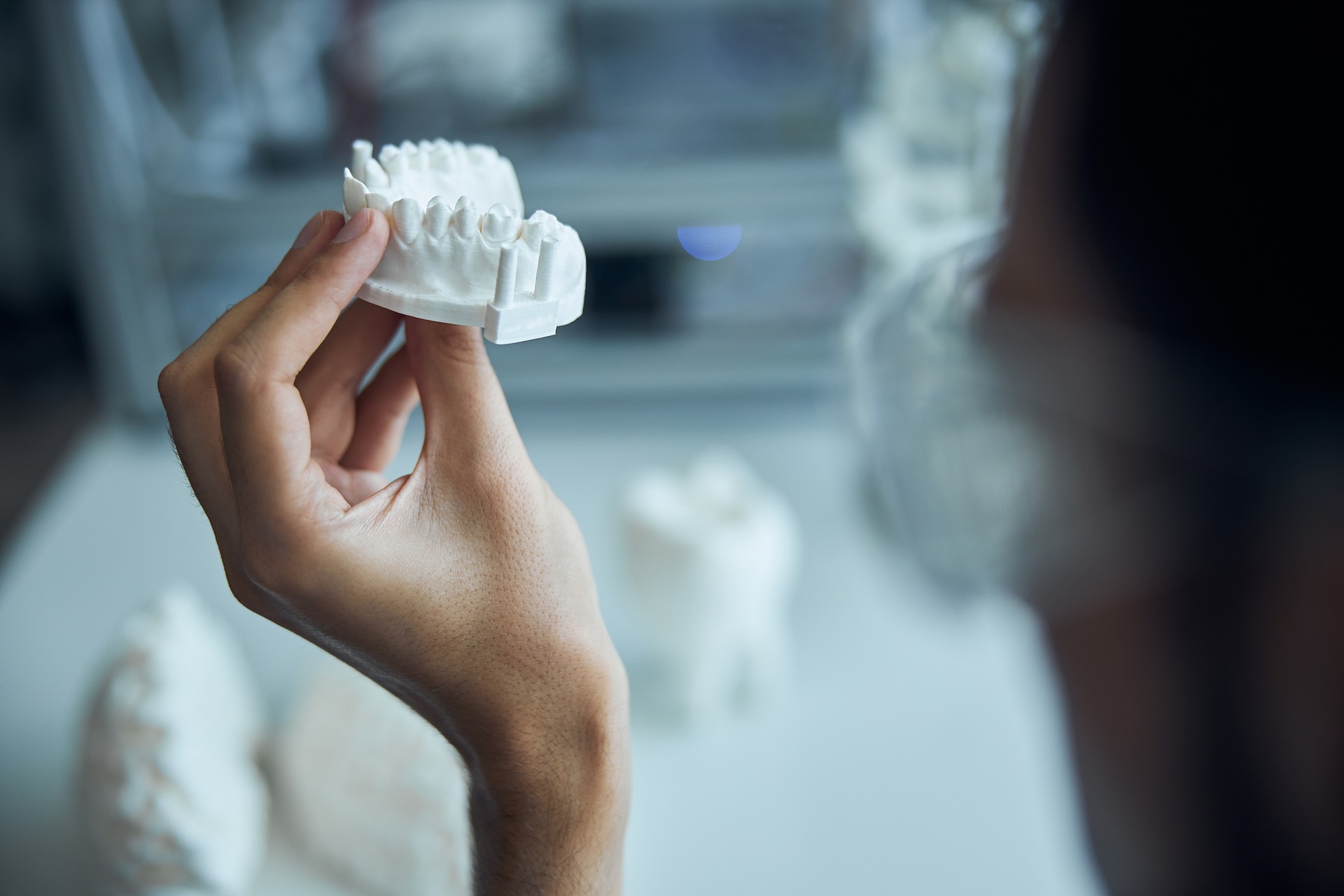
3D Printing
What our patients say
 Vikram James
★★★★★
This the best dental clinic period. I had visited with a completely fractured tooth. Dr. Sudeep managed to save the tooth with reinforcement and a high quality crown. A very gifted Doctor. I had absolutely ZERO pain, was comfortable and it was a pleasure unlike my past experiences with dentists. Strongly recommend this clinic. It has no equal.
A very gifted Doctor. I had absolutely ZERO pain, was comfortable and it was a pleasure unlike my past experiences with dentists.
Strongly recommend this clinic. It has no equal.
Nitya Agarwal
★★★★★
I have been visiting The Dental Clinic for more than 10 years now, and the experience has always been excellent. Dr. Bhalerao is extremely skilled, patient, and takes the time to explain everything clearly. The treatments are always done with great care and professionalism. I highly recommend this clinic to anyone looking for a trustworthy and experienced dentist.
Ron Patel
★★★★★
I am from U S A Every time I come to Hyderabad, I get my dental work done by SUDEEP I have brought mom elderly parents also here, excellent work at Dental Banjara 10 Don’t forget to ask for coffee. This was the best coffee I have had. 😊😊😊
Every time I come to Hyderabad, I get my dental work done by SUDEEP
I have brought mom elderly parents also here, excellent work at Dental Banjara 10
Don’t forget to ask for coffee. This was the best coffee I have had. 😊😊😊
Amit Singh
★★★★★
I had my wife’s and mother’s dental treatments done here, and the experience was excellent. Dr. Sudeep is very knowledgeable and took the time to thoroughly explain the treatment options and dental care practices. Highly recommended.
Reza Hussain
★★★★★
A very experienced and very friendly doctor, helped me in the removal of my molar tooth and made the journey very smooth. Surely do recommend him.
Dheeraj G
★★★★★
Undergone treatment for my wisdom tooth and braces treatment for my daughter. Dr. Sudeep approach, diagnosis and treatment are perfect. I would highly recommend this clinic.
Rashmi Gupta
★★★★★
This is a great place to go take care of your teeth. Dr. Sudeep Bhalerao is professional, informative caring and courteous of your time. The best dental care I have ever experienced! Would highly recommend to anyone who needs dental care!
Sujatha Krishnapathruni
★★★★★
Dr.Sudeep Bhalerao has done root canal for my mother’s teeth and also gave braces. Great job, very professional, friendly and the appointments well organised for all the sittings.
Great job, very professional, friendly and the appointments well organised for all the sittings.
pooja rajwani
★★★★★
I visited Dr Sudeep for a root canal and the experience was very comfortable. He has a very comforting presence which eased the anxiety I have while any dental visits. This has by far been the best, smoothest and pain free experience I have ever had. Highly recommended!
The experts behind your smile.
At 10 Banjara Dental, you're in the hands of experienced specialists who combine clinical excellence with a gentle, patient-first approach. We take the time to listen, understand, and create care that's right for you.

Dr. Sudeep Bhalerao
He specialises in correction of various teeth malocclusions with braces and also correction of major dentofacial deformities with orthodontics and orthognathic surgery to correct the facial proportions.
 Invisalign
- Braces
- Tooth Pain
- Smile Design
Frequently asked questions
Periodontics is the branch of dentistry concerned with the health of the gums, supporting bone, and other tissues surrounding the teeth. Periodontists diagnose and treat gum disease and other conditions affecting these supporting structures.
Gum disease is an infection or inflammation affecting the tissues that support the teeth. It can range from early gum inflammation (gingivitis) to more advanced periodontal disease, which can result in bone loss and tooth mobility.
Common signs include bleeding gums, swollen or tender gums, persistent bad breath, gum recession, loose teeth, changes in the way teeth fit together, and sensitivity. Gum disease can sometimes progress with few noticeable symptoms.
Bleeding during brushing is commonly associated with plaque-induced gum inflammation. It should not be considered normal, particularly if it occurs regularly, and a dental examination can identify the underlying cause.
Yes. Advanced periodontal disease can damage the bone and tissues supporting the teeth, potentially resulting in tooth mobility and eventual tooth loss if left untreated.
Early gum inflammation, or gingivitis, can often be reversed with appropriate professional treatment and improved oral hygiene. Once significant supporting bone has been lost, it generally cannot simply be restored through routine cleaning, although treatment can help control the disease.
The primary cause is the accumulation of bacterial plaque along the gumline. Risk can also be influenced by factors such as smoking, diabetes, genetics, certain medications, poor oral hygiene, and other health conditions.
Plaque is a sticky bacterial film that forms on teeth. If not removed adequately, it can harden into tartar or calculus, which cannot be completely removed through regular brushing and generally requires professional cleaning.
Scaling and root planing is a non-surgical periodontal treatment that removes plaque and tartar from above and below the gumline and smooths affected root surfaces to help the gums heal and reattach where possible.
No. Professional cleaning is designed to remove plaque and calculus that cannot be effectively removed through routine brushing. Temporary sensitivity may occur in some patients, particularly where there is gum recession.
Persistent bad breath can be associated with gum disease, tongue coating, poor oral hygiene, dental decay, dry mouth, or other oral and medical conditions. Identifying the underlying cause is important for effective treatment.
Gum recession occurs when the gum tissue moves away from the tooth, exposing part of the tooth root. It can be associated with periodontal disease, aggressive brushing, tooth position, or other factors.
A gum graft is a periodontal procedure in which gum tissue is used to cover exposed tooth roots, increase gum tissue thickness, or improve the appearance of gum recession.
It depends on the cause and severity of tooth mobility. Treating the underlying periodontal disease may help stabilise some teeth, while severely compromised teeth may require additional treatment or replacement.
Yes. Patients with a history of periodontal disease may be at increased risk of inflammation and bone loss around implants. Good oral hygiene, appropriate treatment, and regular maintenance are important for long-term implant health.
Peri-implantitis is an inflammatory condition affecting the tissues around a dental implant and may be associated with bone loss around the implant. Early diagnosis and appropriate treatment are important.
Many periodontal conditions can initially be managed with professional cleaning, scaling and root planing, improved oral hygiene, and ongoing periodontal maintenance. Surgical treatment may be considered when deeper or persistent disease remains.
Periodontal surgery may be recommended when non-surgical treatment does not adequately control the disease or when there are specific defects requiring treatment. Procedures may include pocket reduction, regenerative procedures, bone grafting, or gum grafting.
Periodontal regenerative procedures aim to encourage the body's natural healing processes in areas where periodontal disease has caused certain types of bone or supporting tissue defects. Suitability depends on the individual defect and overall periodontal health.
Yes. Smoking can increase the risk of periodontal disease and can also impair healing and affect the response to periodontal treatment. Stopping smoking is beneficial for periodontal and overall health.
Yes. Children can develop gum inflammation, most commonly related to plaque accumulation. Certain medical conditions or other factors can increase the risk of more significant periodontal problems.
Maintain good oral hygiene by brushing twice daily, cleaning between your teeth, having regular dental examinations, and receiving professional cleaning when recommended. Avoiding tobacco and managing relevant health conditions can also help.
The appropriate frequency depends on your gum health and individual risk factors. Patients with active or previously treated periodontal disease may require more frequent periodontal maintenance visits.
The primary goals are to control infection and inflammation, preserve the teeth and supporting tissues, prevent further bone loss, and maintain healthy gums for the long term.

Healthy Gums Start With Knowing Where You Stand.
Whether You're Experiencing Bleeding Gums, Persistent Bad Breath, Gum Recession Or Simply Want To Understand Your Periodontal Health, An Assessment Is A Good Place To Start.