
Save Your Tooth.
Relieve the Pain.
When decay, injury or infection reaches the inner part of a tooth, timely endodontic treatment can often save the natural tooth and prevent the problem from becoming more serious.
 Natural Tooth PreservationRoot Canal TreatmentMicroscope DentistryAccurate Diagnosis
Treat the Problem. Preserve the Tooth.
Our approach is to first understand the source of the problem and then recommend the most appropriate treatment to relieve symptoms, eliminate infection and preserve your natural tooth whenever it can be predictably saved.

Dental Pain Diagnosis
A systematic evaluation to identify the source of tooth pain, sensitivity or discomfort.

Infected Tooth Treatment
Diagnosis and treatment of infection affecting the inner tissues of a tooth.

Root Canal Treatment
Treatment to remove infected or inflamed tissue from inside a tooth and preserve the natural tooth.

Re-Root Treatment
Carefully reassessing and retreating a previously treated tooth when infection or symptoms persist.

Dental Trauma
Assessment and treatment of teeth affected by accidents, injuries or impact.
Cracked & Damaged Teeth
Evaluation of painful or compromised teeth to determine whether the tooth can be restored and preserved.

Microscope-Assisted Dentistry
Enhanced magnification for greater visibility and precision during complex endodontic procedures.

Post-Root Canal Restoration
Planning the appropriate restoration after root canal treatment to protect the remaining tooth structure and restore function.
Why
10 Banjara
Dental?
Endodontic treatment requires more than simply treating the source of pain. Accurate diagnosis, careful cleaning of the root canal system and appropriate restoration afterwards all play an important role in achieving predictable results.

Accurate Diagnosis

Advanced Digital Diagnostics

Microscope Dentistry

Conservative Treatment Approach

Natural Tooth Preservation

Comfortable Patient Experience
When your natural tooth can be saved,
we believe preservation is worth
pursuing.
Advanced technology for better cosmetic results
Technology allows us to deliver cosmetic treatments with greater comfort and precision.
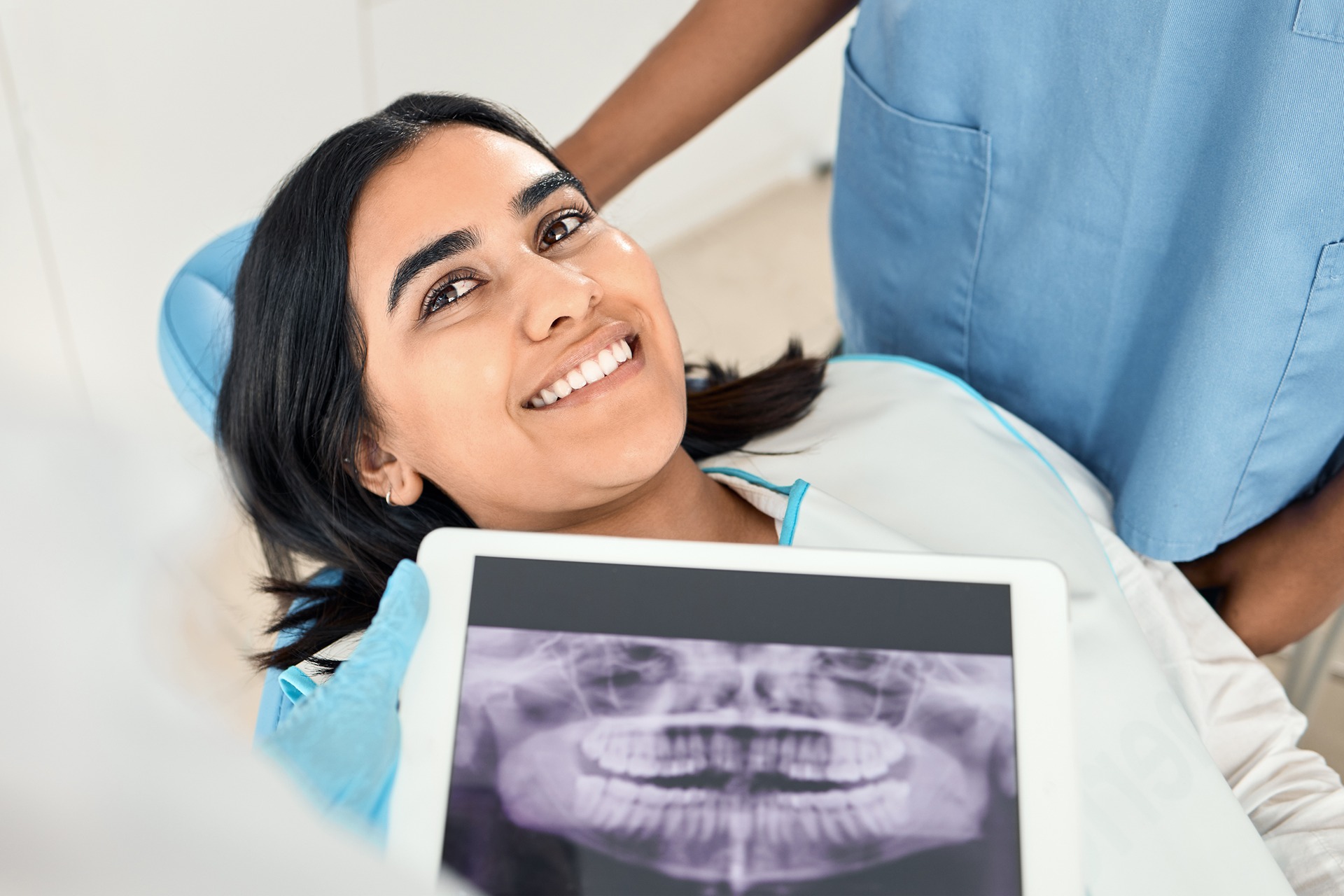
Digital X-rays
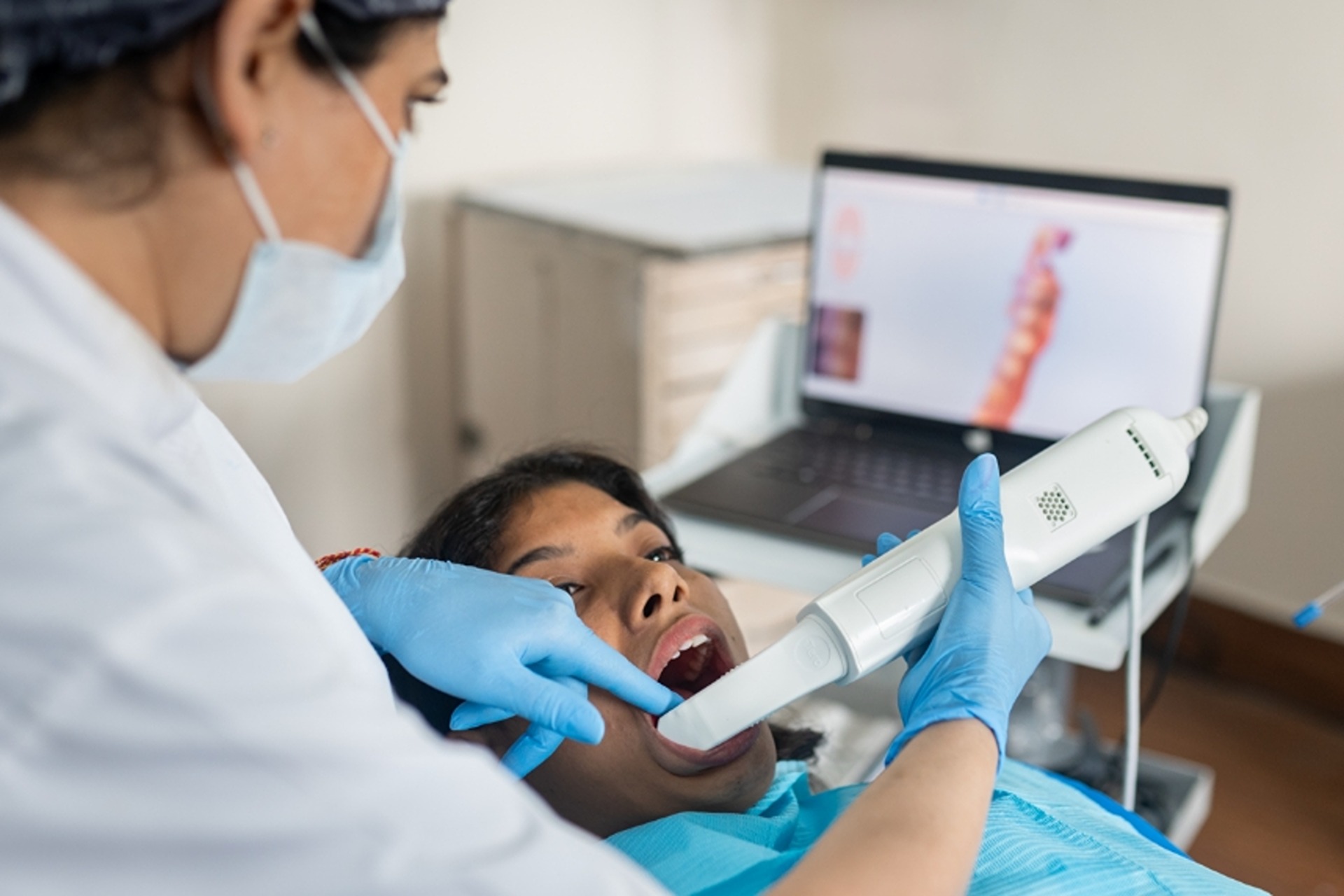
Intraoral Scanner
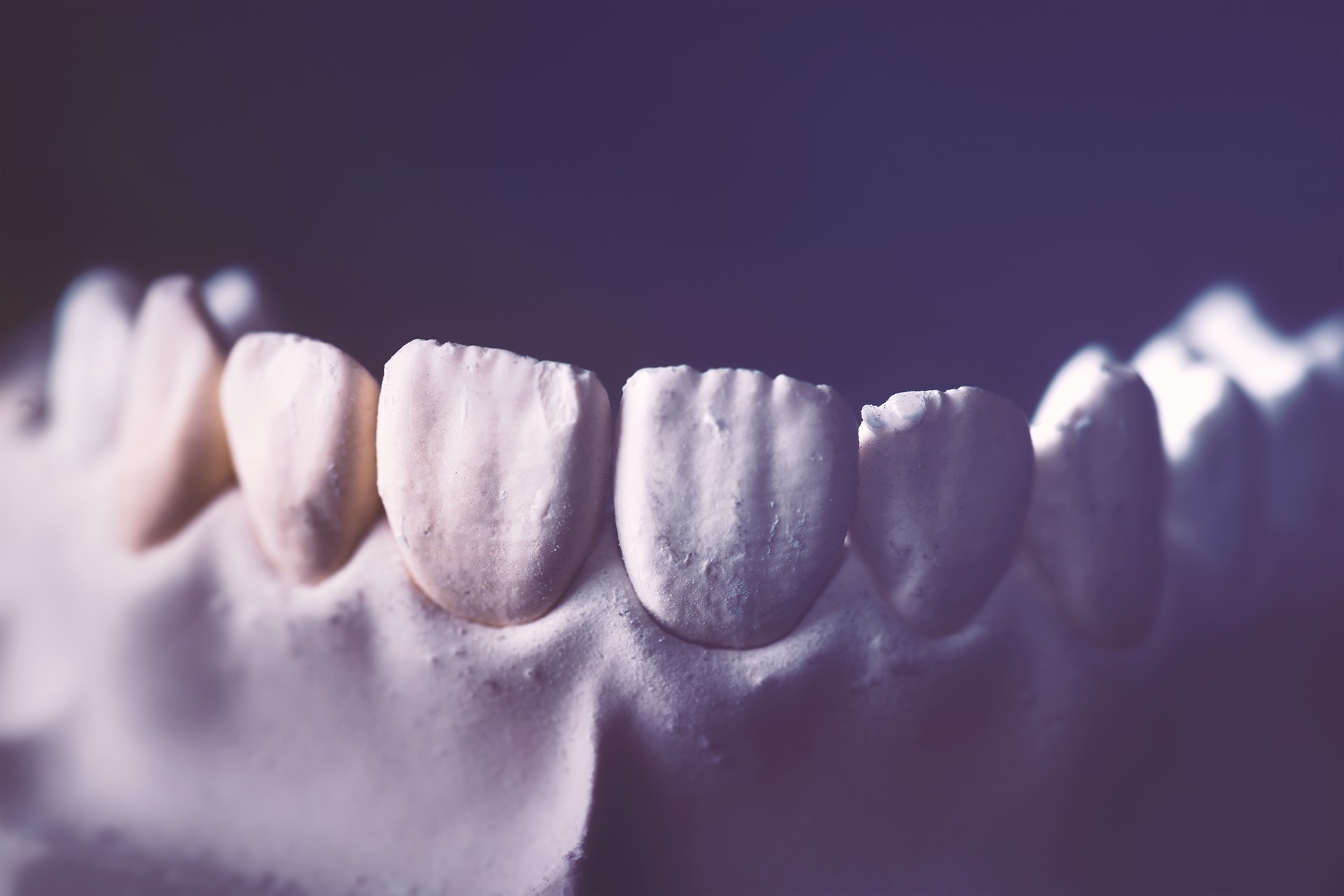
CAD/CAM Restorations
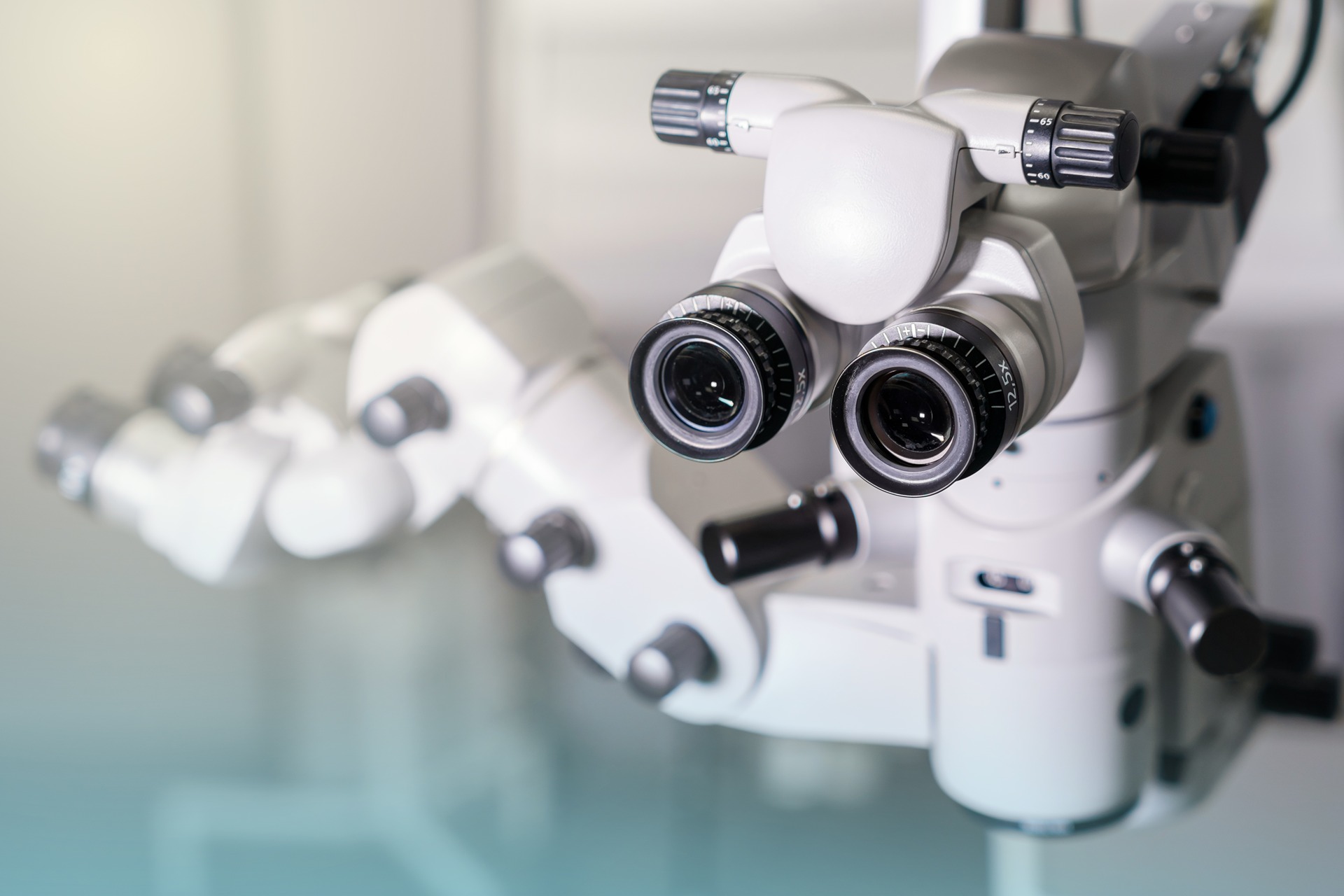
Microscope Dentistry
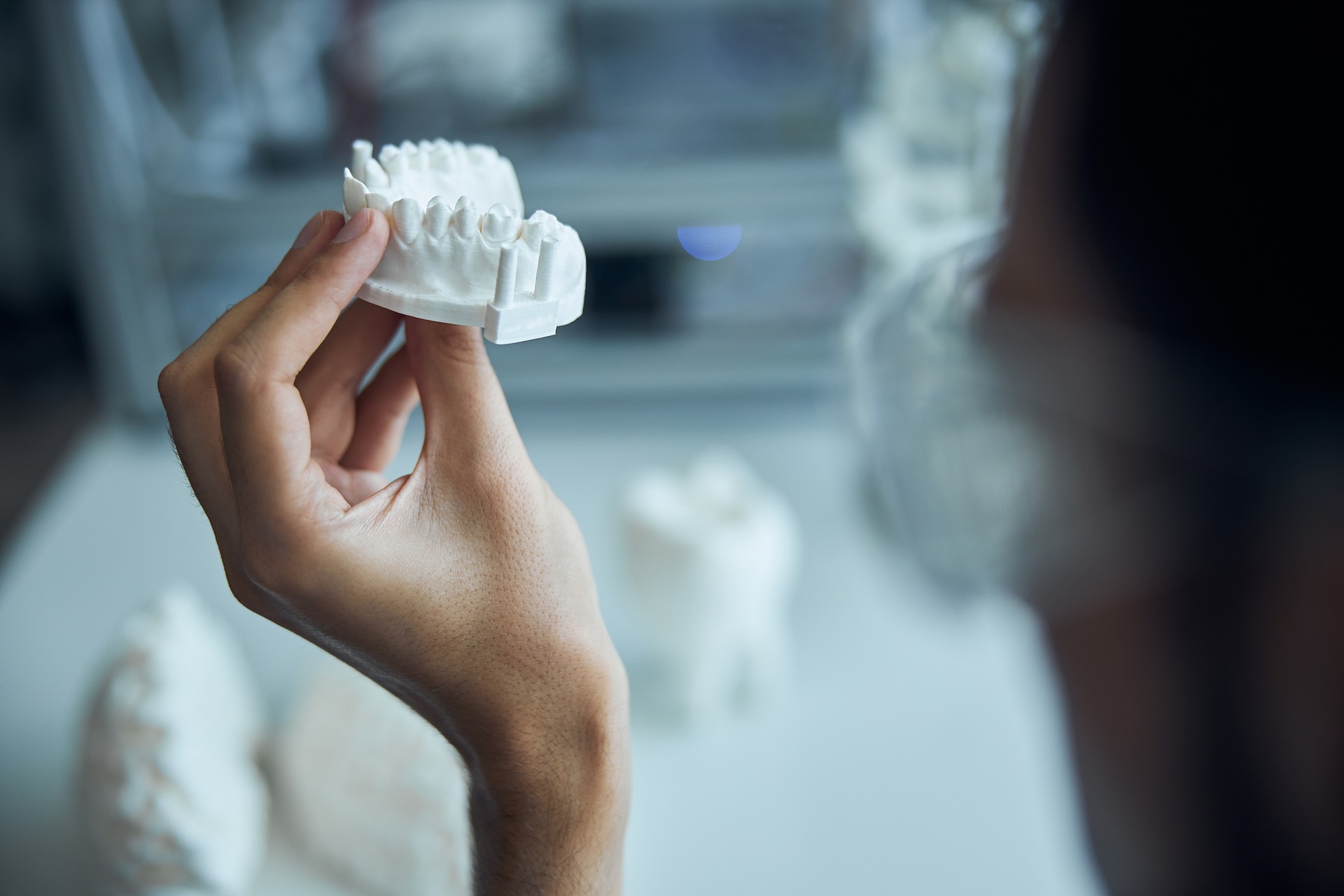
3D Printing
What our patients say
 Madhumitha Ammu
★★★★★
Am Dr Madhu from Chennai. I started my braces in Chennai in 2023 in a well known dental College but it was damn slow. I hardly get an appointment and the procedure went on around years. Then I shifted to Hyd for my work purpose and got Sudeep sir contact. Within 8 months whole procedure is done and am happy with my smile. He is very reasonable and crisp in his work. I give a 10/10 rating and recommend everyone to get all their teeth ailments cured here.
Sudipta Pattnayak
★★★★★
I visited The Dental Clinic @ 10 Banjara last month for a root canal treatment on two of my teeth, and I must say the service was excellent. Dr. Sudeep and his team were highly professional, attentive, and made sure I was comfortable throughout the procedure. The clinic maintains a very clean and welcoming environment, which immediately puts you at ease. The treatment itself was smooth, painless, and handled with great care. I truly appreciate the way Dr. Sudeep explained each step clearly, ensuring I felt confident about the process. His dedication and the support of his team reflect in the results—I am extremely satisfied with the outcome. Overall, it was a very positive experience, and I would strongly recommend The Dental Clinic @ 10 Banjara to anyone looking for quality dental care.
The treatment itself was smooth, painless, and handled with great care. I truly appreciate the way Dr. Sudeep explained each step clearly, ensuring I felt confident about the process. His dedication and the support of his team reflect in the results—I am extremely satisfied with the outcome.
Overall, it was a very positive experience, and I would strongly recommend The Dental Clinic @ 10 Banjara to anyone looking for quality dental care.
mahendra bhalerao
★★★★★
The treatment for both my daughters has been excellent, it is particularly important to understand that at a growing age girls are very conscious of their looks and their facial features especially the teeth and jawline, both the brothers have a great insight into the procedures to adapt to deliver the perfect natural look to the teeth and jawline. We are very happy with the results . Both of my daughters are very grateful to the Doctors.
Vasu Bansal
★★★★★
Dr Sudeep is one of the best dentists I’ve ever been to. My wife was really scared of dentists but his work was impeccable. Not commercial at all and suggests only what’s needed. Highly recommended!
Amit Singh
★★★★★
I had my wife’s and mother’s dental treatments done here, and the experience was excellent. Dr. Sudeep is very knowledgeable and took the time to thoroughly explain the treatment options and dental care practices. Highly recommended.
arveen sabharwal
★★★★★
Very calm and friendly doc, Gives very good treatment and advice. Does only what’s necessary and not try to fleece patients
Gives very good treatment and advice.
Does only what’s necessary and not try to fleece patients
alkesh patel
★★★★★
Got very homely, clear & transparent treatment, very hygienic clinic
Dharmesh T Esyon
★★★★★
Good location, easy to find, good ambience, very professional behaviour, the doctor is definitely knows what he is doing and not just that he also explains clearly as what the problem is and what treatment needs to be done. Highly recommended. Procedure fee are also reasonable.
Sameer Gundavaram
★★★★★
Clinic with dedicated doctors and provide high quality treatment doing just what Is necessary adhering to ethics
The experts behind your smile.
At 10 Banjara Dental, you're in the hands of experienced specialists who combine clinical excellence with a gentle, patient-first approach. We take the time to listen, understand, and create care that's right for you.
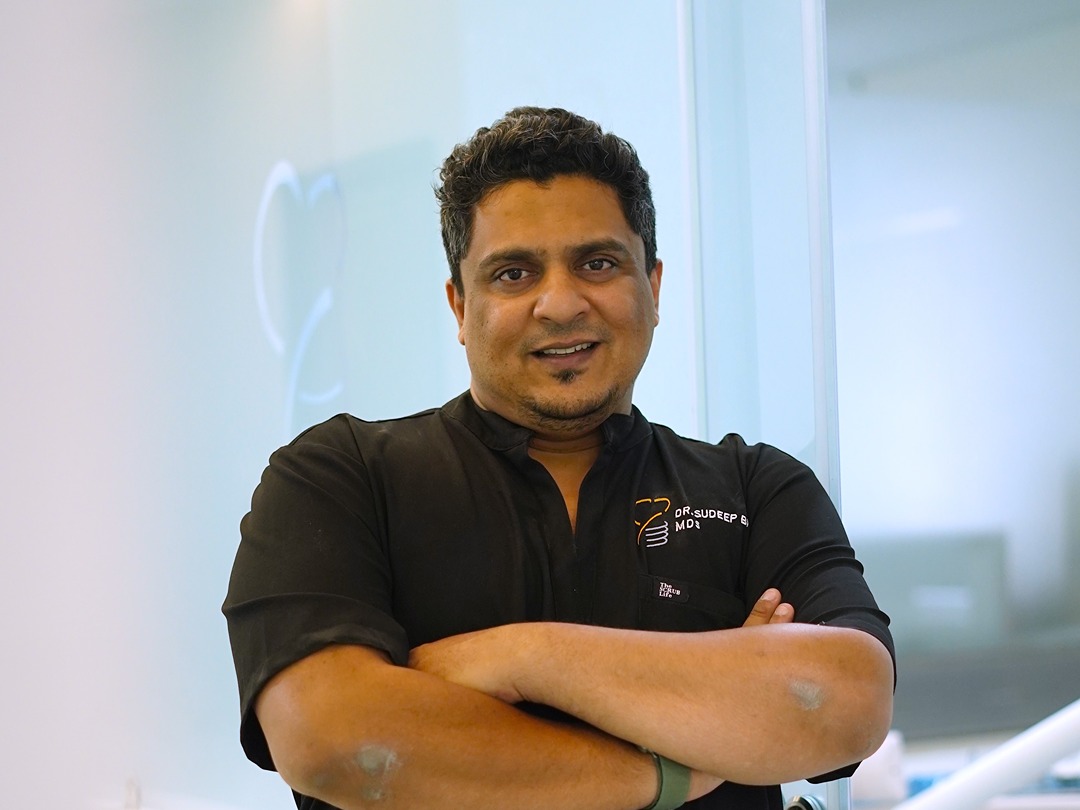
Dr. Sudeep Bhalerao
He specialises in correction of various teeth malocclusions with braces and also correction of major dentofacial deformities with orthodontics and orthognathic surgery to correct the facial proportions.
 Invisalign
- Braces
- Tooth Pain
- Smile Design

Dr. Deepak Parekh
Dr. Deepak Parekh is an experienced practitioner specializing in Endodontics and Conservative Dentistry, with over 82,000 root canal treatments. He focuses on precise treatment and preserving natural teeth wherever possible.
- Root Canal Treatment
- Endodontic Treatment
- Conservative Dentistry
- Complex Root Canals
- Dental Restoration
Frequently asked questions
Endodontics is the branch of dentistry focused on diagnosing and treating problems involving the dental pulp, nerves, and tissues surrounding the roots of teeth. Root canal treatment is one of the most common endodontic procedures.
Root canal treatment is a procedure used to remove infected or inflamed tissue from inside a tooth, clean and disinfect the root canals, and seal them to help preserve the natural tooth.
A root canal may be recommended when the pulp becomes infected or irreversibly inflamed due to deep decay, cracks, trauma, or repeated dental procedures.
Possible symptoms include severe or persistent toothache, sensitivity to hot or cold, pain while biting, swelling, tenderness, or a recurring dental abscess. Some infected teeth may have few or no symptoms.
Root canal treatment is performed under local anaesthesia, and most patients are comfortable during the procedure. Mild tenderness or sensitivity may occur for a few days afterwards.
Treatment time depends on the tooth and complexity of the case. Some root canals can be completed in one appointment, while complex cases may require multiple visits.
Yes. Root canal treatment is designed to remove infection while preserving the natural tooth. After treatment, the tooth may require a crown or other restoration to restore strength and function.
The tooth is restored to protect it from further damage. Depending on the amount of tooth structure remaining, this may involve a filling, crown, or other suitable restoration.
A tooth that has undergone root canal treatment may have significant structural loss. A crown can help protect the remaining tooth structure and restore normal function, particularly for back teeth.
Complex cases may involve unusual or curved canals, calcified canals, previous root canal treatment, broken instruments, difficult anatomy, or significant infection. These cases require detailed diagnosis and advanced treatment planning.
It depends on the location, depth, and extent of the crack. Some cracked teeth can be restored, while others may have damage extending below the gum or into the root that affects their prognosis.
Yes. An untreated dental infection can spread into surrounding tissues and, in severe cases, cause significant swelling or systemic complications. Facial swelling, fever, difficulty swallowing, or difficulty breathing require urgent medical attention.
In many cases, yes. Treating the source of infection through root canal treatment can help resolve the underlying problem. Additional treatment may sometimes be required depending on the severity of the infection.
Antibiotics are not routinely required for every root canal infection. They may be prescribed when there are signs of systemic involvement or spreading infection. The underlying dental infection generally requires definitive dental treatment.
Severe tooth pain, swelling, dental trauma, or a sudden injury to a tooth may require urgent endodontic assessment. Prompt treatment can help relieve symptoms and improve the chances of preserving the tooth.
A knocked-out permanent tooth is a dental emergency. Seek immediate dental care. Handle the tooth by the crown rather than the root, avoid scrubbing it, and keep it moist while obtaining urgent professional help.
Yes. A tooth that has suffered trauma may develop pulp damage or infection months or even years after the original injury. Regular dental assessment is important following significant dental trauma.
If pulp damage is detected early, certain conditions may be managed without conventional root canal treatment. However, once the pulp is irreversibly damaged or infected, appropriate endodontic treatment may be necessary to preserve the tooth.
Good oral hygiene, regular dental examinations, timely treatment of cavities, protection against dental trauma, and addressing cracks or damaged restorations early can help reduce the risk of serious pulp problems.
The primary goal is to eliminate infection or inflammation, relieve pain, preserve the natural tooth, and restore normal function wherever possible.

Don't Let Persistent Dental Pain Become A Bigger Problem.
Whether You're Experiencing Unexplained Tooth Pain, Sensitivity, Swelling Or Have Been Told That You May Need A Root Canal, The First Step Is Understanding What's Actually Happening Inside The Tooth.