A Straighter Smile.
A Healthier Bite.
Orthodontic treatment is about more than straightening teeth. It can improve your bite, make your teeth easier to maintain and create a smile that feels more balanced and confident.
 Personalized Orthodontic PlanningBraces & Clear AlignersComprehensive Bite AssessmentCare for Children & Adults
Straighter teeth. Better function.
Crooked or crowded teeth aren't only a cosmetic concern. Tooth position can influence your bite, oral hygiene, tooth wear and the way your smile functions. Orthodontics uses controlled, gradual movement to improve the position of your teeth and, where necessary, your bite. At 10 Banjara Dental, we begin by understanding your current alignment, dental health and treatment goals before recommending the most appropriate orthodontic approach.

Orthodontic Consultation
Regular examinations to monitor healthy tooth development and detect concerns early.

Braces
Reliable orthodontic treatment for correcting crowding, spacing, alignment and bite concerns.

Clear Aligners
A discreet alternative to traditional braces using a series of custom-made, removable aligners.

Crowded Teeth
Personalized treatment to create healthier alignment and improve the appearance and cleanability of crowded teeth.

Spacing & Gaps
Orthodontic treatment to gradually close unwanted spaces and create a more balanced smile.

Bite Correction
Treatment for bite concerns such as overbite, underbite, crossbite and open bite where orthodontic correction is appropriate.

Early Orthodontic Assessment
Monitoring children's developing teeth and jaws to identify potential orthodontic concerns at the right stage.

Retainers & Smile Maintenance
Customized retention plans to help maintain your teeth in their new positions after orthodontic treatment.
Why
10 Banjara
Dental?
Every smile moves differently. Effective orthodontic treatment begins with understanding the individual biology, alignment and bite of each patient rather than applying a one-size-fits-all approach.

Personalized Orthodontic Planning

Comprehensive Bite Assessment

Advanced Digital Diagnostics

Treatment for All Ages

Braces & Clear Aligners

Long-Term Smile Stability
Orthodontics isn't just about moving teeth.
It's about creating a smile that
functions beautifully and feels naturally yours.
Advanced technology for better cosmetic results
Technology allows us to deliver cosmetic treatments with greater comfort and precision.
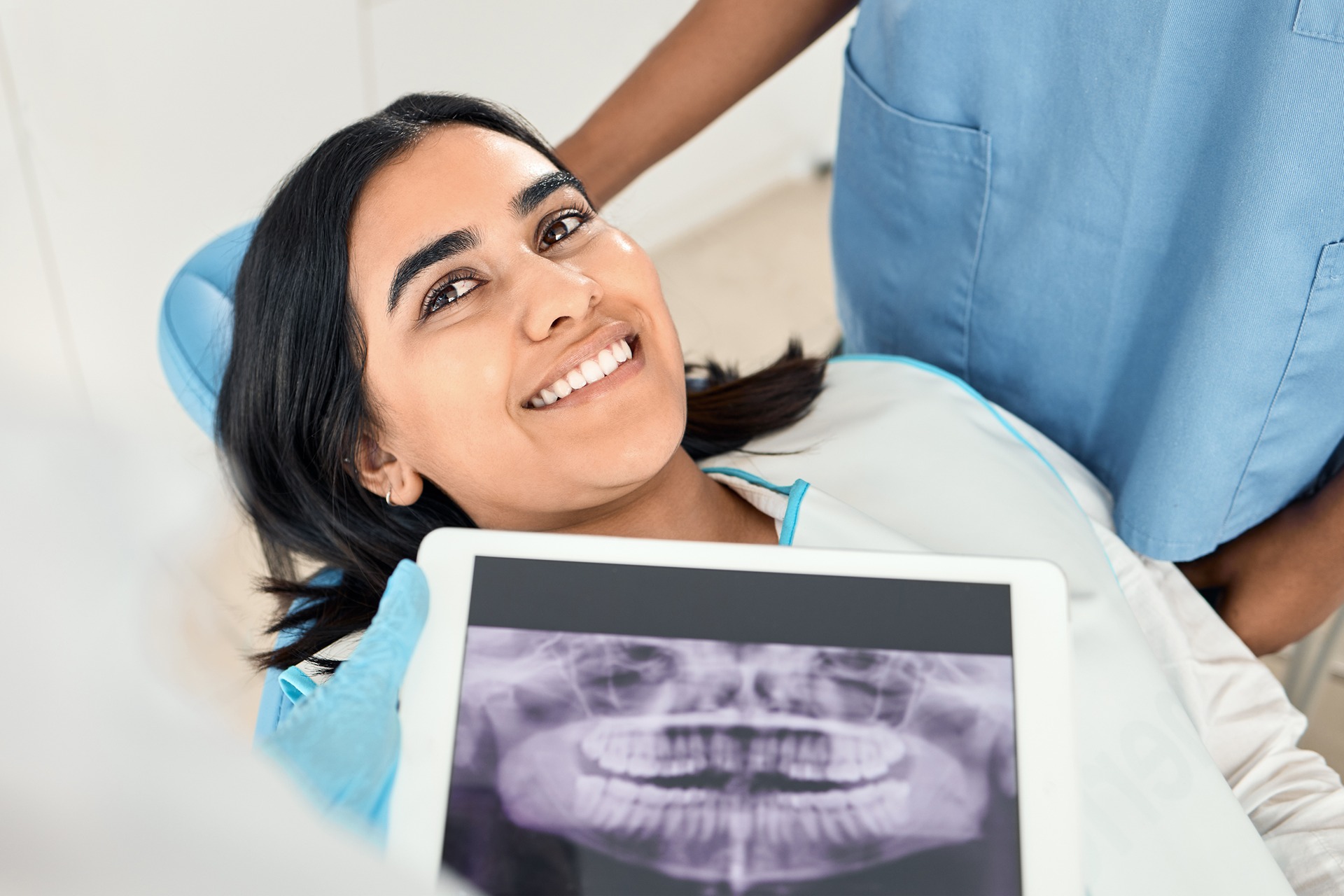
Digital X-rays
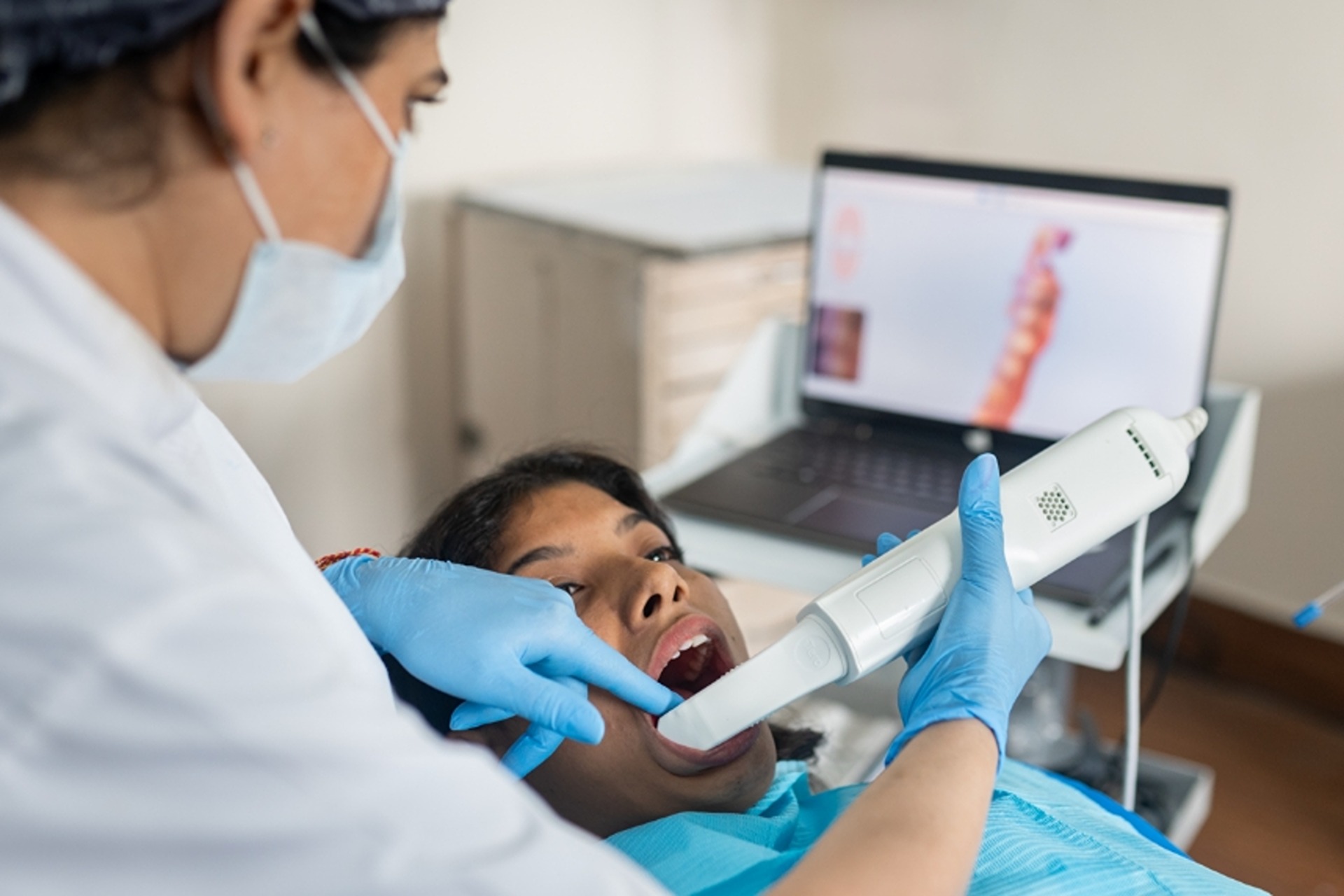
Intraoral Scanner
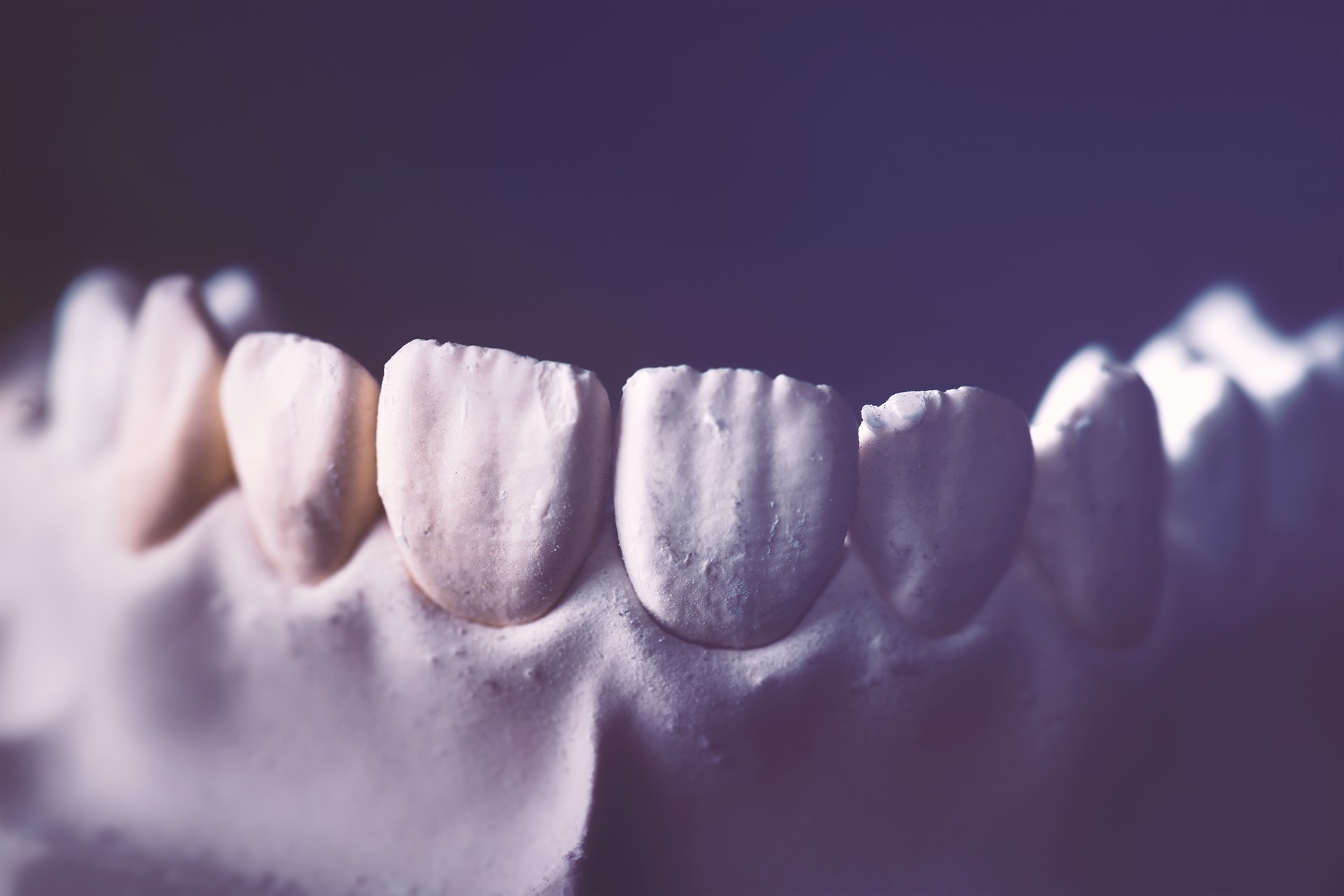
CAD/CAM Restorations
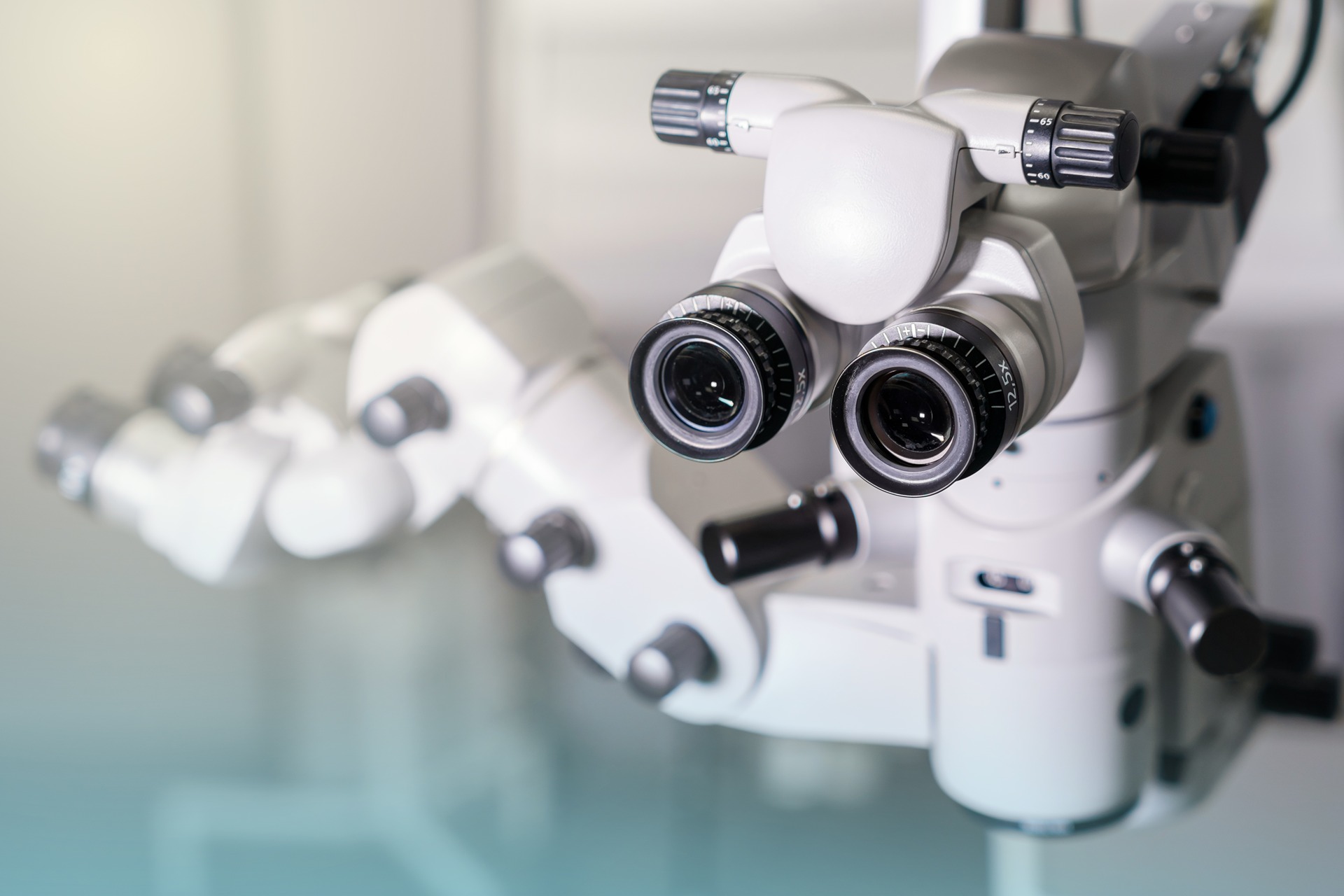
Microscope Dentistry
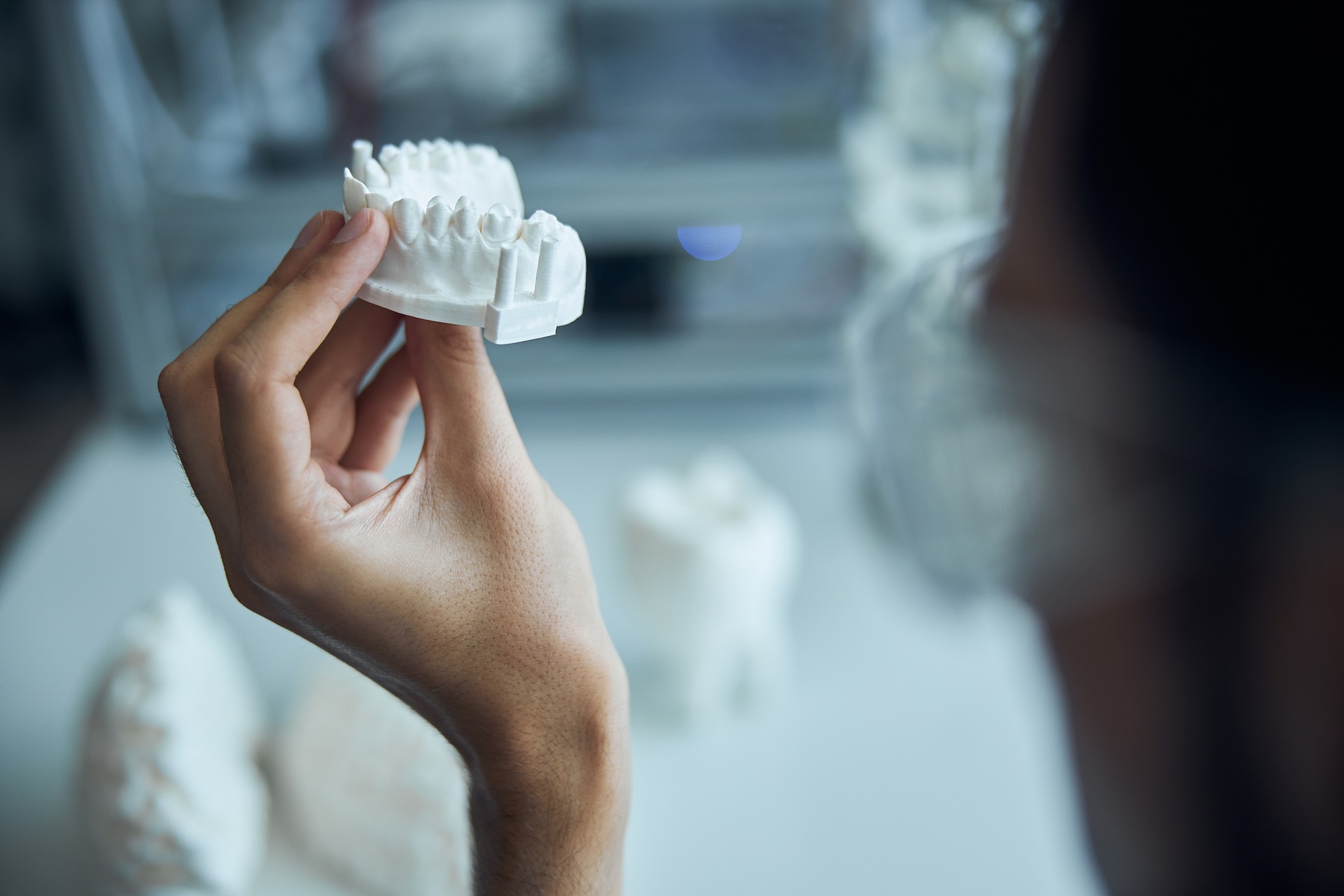
3D Printing
What our patients say
 Rasika Bhalerao
★★★★★
I recently visited Dr. Sudeep’s dental clinic, and the experience was truly exceptional. From the moment you walk in, the atmosphere is calm, soothing, and welcoming, which instantly puts you at ease—something that makes a huge difference when visiting a dentist. Dr. Sudeep is incredibly gentle, patient, and attentive. He takes the time to explain procedures clearly and ensures you are comfortable throughout the treatment. His calm approach and reassuring manner make even the most anxious patients feel relaxed. What stands out most is his genuine care for his patients. He works with great precision and professionalism while maintaining a warm and friendly demeanor. It’s rare to find a dentist who combines such skill with such a gentle touch. I would highly recommend Dr. Sudeep to anyone looking for a trustworthy, compassionate, and highly competent dentist. You’ll be in very good hands.
Dr. Sudeep is incredibly gentle, patient, and attentive. He takes the time to explain procedures clearly and ensures you are comfortable throughout the treatment. His calm approach and reassuring manner make even the most anxious patients feel relaxed.
What stands out most is his genuine care for his patients. He works with great precision and professionalism while maintaining a warm and friendly demeanor. It’s rare to find a dentist who combines such skill with such a gentle touch.
I would highly recommend Dr. Sudeep to anyone looking for a trustworthy, compassionate, and highly competent dentist. You’ll be in very good hands.
shekhar chergondi
★★★★★
The Dental clinic @10 banjara best clinic for dental treatment, From the moment I walked in the clinic was clean modern and hygienic which immediately gave me confidence doctor Sudeep is extremely professional knowledgeable and patient friendly
Chaandni Kharey
★★★★★
It's the only clinic where I'd take my parents and my kids and ofcourse myself for any dental concerns! Dr Sudeep makes us feel to comfortable and at ease and his understanding of the matter is brilliant! He is so patient with the kids that they no longer fear dental check ups! Thank you Dr Sudeep
Chetan Kharey
★★★★★
Dr Sudeep is Very professional courteous and forthcoming. I got braces done at dental and maxillofacial clinic and was extremely satisfied with the outcome and how Dr Sudeep was very specific in his treatment plans. Very transparent in his treatment planning. I took my son for his dental work and Dr Sudeep lived up to my expectations. I highly recommend Dr Sudeep Bhalerao for any dental treatment.
I got braces done at dental and maxillofacial clinic and was extremely satisfied with the outcome and how Dr Sudeep was very specific in his treatment plans. Very transparent in his treatment planning.
I took my son for his dental work and Dr Sudeep lived up to my expectations. I highly recommend Dr Sudeep Bhalerao for any dental treatment.
Shanta Krishnamurthy
★★★★★
The best dentist in town so easy on the mouth absolutely no stress at all I would highly recommend
kvl
★★★★★
Doctor is really good, he makes it really easy to handle, process is smooth..place is clean and neat..Dr sudeep thank you!! I highly recommend this clinic.
I highly recommend this clinic.
Jivitesh Reddy Bollampalli
★★★★★
One of the best Dentist;, I have ever visited It gives a lot of hope and motivation and the surgery with ease makes the patient feel confident of doing the surgery. I’m lucky to have him as a friend and my Dentist;
It gives a lot of hope and motivation and the surgery with ease makes the patient feel confident of doing the surgery. I’m lucky to have him as a friend and my Dentist;
Arif Baig
★★★★★
My wife had dental problem, I was fortunate enough to visit his clinic, as I was little cautious due to covid 19 scare, but I found his place very hygienic with all necessary precautionary measures, as my wife was told that she had root canal problem this was dealt with utmost professionalism and care, I am extremely thankful to him for his services and I recommend my friends & relatives to use his services when required, you will not be disappointed. With best wishes Dr.Arif Baig
With best wishes
Dr.Arif Baig
Azaz parvan
★★★★★
I love the care that is given! Dr. Sudeep is so caring & very understanding for his patients ! when we walk in we are welcome with all smile and warm and caring heart! I went for ortho dental treatment , no extractions required. His work is impressive ,I wouldn't go anywhere else . I recommend the doctor for your dental care & hygiene.
The experts behind your smile.
At 10 Banjara Dental, you're in the hands of experienced specialists who combine clinical excellence with a gentle, patient-first approach. We take the time to listen, understand, and create care that's right for you.
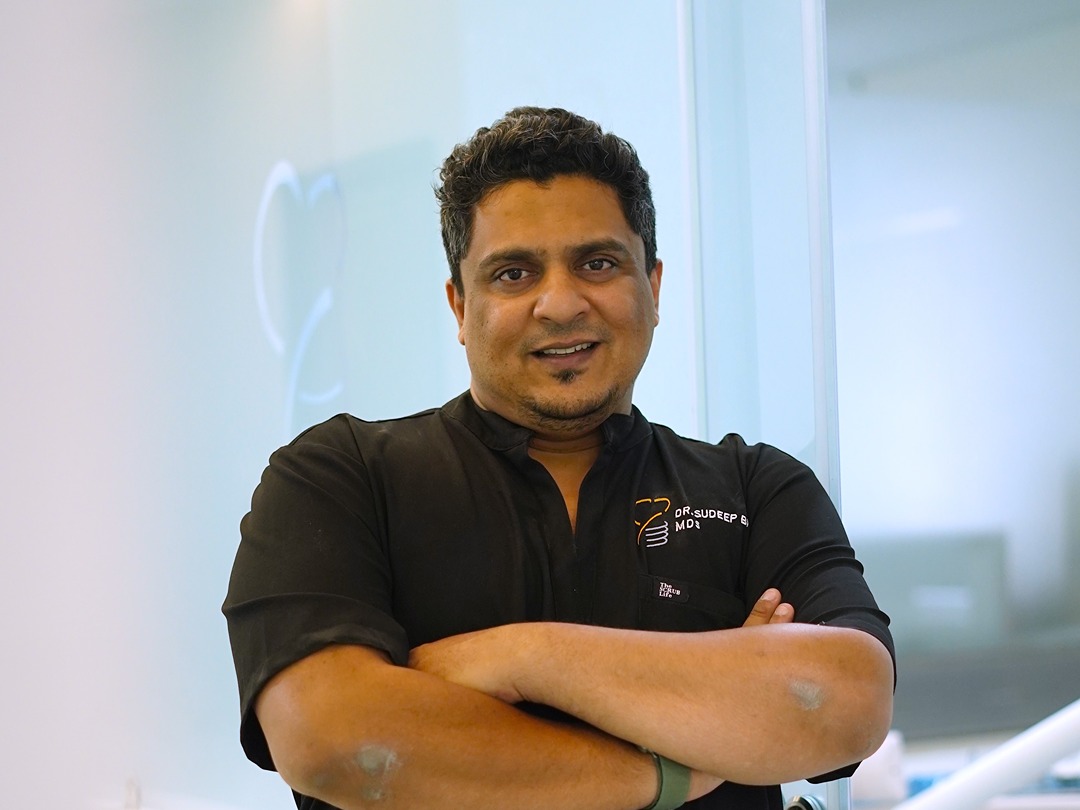
Dr. Sudeep Bhalerao
He specialises in correction of various teeth malocclusions with braces and also correction of major dentofacial deformities with orthodontics and orthognathic surgery to correct the facial proportions.
 Invisalign
- Braces
- Tooth Pain
- Smile Design
Frequently asked questions
Orthodontic treatment focuses on correcting crooked or crowded teeth, gaps, bite problems, and jaw alignment issues to improve both function and smile aesthetics.
An initial orthodontic assessment is generally recommended around 7 years of age, or earlier if a dental professional identifies a concern. Early evaluation helps determine whether treatment or monitoring is appropriate.
No. Adults can also benefit from orthodontic treatment. Teeth can be moved at any age when the teeth, gums, and supporting bone are healthy.
Treatment may help correct crowding, spacing, protruding teeth, crossbite, overbite, underbite, open bite, and certain jaw-related alignment problems.
Depending on the individual case, treatment may involve traditional braces, ceramic braces, clear aligners, retainers, or other orthodontic appliances.
Clear aligners are a series of custom-made, removable, transparent trays that gradually move teeth into their planned positions. They are a discreet alternative to conventional braces for many suitable cases.
Clear aligners can treat many common alignment problems, but they are not appropriate for every case. Suitability depends on factors such as tooth movement required, bite, jaw relationship, and overall oral health.
Treatment duration varies depending on the complexity of the case, the type of treatment, age, and patient compliance. Your orthodontist can provide an estimated treatment timeline after assessment.
You may experience mild pressure, tightness, or temporary discomfort, particularly after braces are adjusted or when starting a new aligner. This usually settles as you adapt.
Braces themselves do not damage healthy teeth when properly managed. However, inadequate brushing during treatment can increase the risk of plaque accumulation, tooth decay, and gum inflammation.
Most foods can be enjoyed with appropriate care, but hard, sticky, and excessively chewy foods may damage braces. Your orthodontic team will provide specific dietary guidance.
Appointments are usually scheduled at regular intervals to monitor tooth movement and make necessary adjustments. The frequency depends on the treatment method and individual case.
Yes. Orthodontic treatment can improve the relationship between the upper and lower teeth and help address overbite, underbite, crossbite, and other bite irregularities.
Retention is the phase after active orthodontic treatment designed to maintain the new position of your teeth. Retainers may be fixed, removable, or a combination of both.
Teeth can naturally shift over time, so retention is an important long-term part of orthodontic care. Your orthodontist will recommend a personalised retainer-wearing schedule.
Yes. Some degree of tooth movement can occur naturally after treatment. Consistent retainer use helps maintain alignment and long-term smile stability.
Yes. In some cases, orthodontic treatment may be combined with teeth whitening, veneers, crowns, implants, or other restorative procedures to achieve comprehensive functional and aesthetic results.
Yes. Depending on the cause and size of the gap, orthodontic treatment or clear aligners can often move the teeth together and improve spacing.
Yes. Orthodontic treatment can gradually create and utilise available space to align crowded teeth. More complex cases may require additional treatment planning.
Adult orthodontic treatment can improve tooth alignment, bite, oral hygiene access, and smile aesthetics, provided the teeth and supporting tissues are healthy.
The orthodontist evaluates your teeth, bite, jaw relationship, facial profile, and overall oral health. Depending on the case, photographs, scans, X-rays, or digital impressions may be recommended to develop an individual treatment plan.
Properly aligned teeth can be easier to clean and may help improve bite function. However, orthodontic treatment is only one part of maintaining long-term oral health and should be combined with good oral hygiene and regular dental care.
Insufficient wear can affect treatment progress, while inadequate retainer use after treatment can allow teeth to shift back towards their previous positions.
Brush carefully twice a day, clean between the teeth and around orthodontic appliances, and attend regular dental check-ups and professional cleaning when recommended.
The goal is to create well-aligned teeth, a balanced bite, improved function, and a healthy, confident smile, while maintaining long-term stability through appropriate retention.

Give Your Child A Healthy Start.
From Your Child's First Dental Visit To Regular Preventive Care And Growing Smile Assessments, We're Here To Make Dental Care Comfortable, Positive And Easy To Understand.