
Healthy Smiles
Start Young.
Good dental habits begin in childhood. At 10 Banjara Dental, we provide gentle, preventive and age-appropriate dental care for children, helping them build healthy smiles and positive experiences with dentistry from an early age.
 Gentle Pediatric CarePreventive Oral Health GuidanceComfortable Child-Friendly ExperienceCare for Growing Smiles
Small smiles. Big care.
Children's teeth are constantly changing as they grow. Regular dental visits allow our team to monitor their development, prevent common dental problems and identify concerns early, before they become more complicated. At 10 Banjara Dental, we focus on making every visit comfortable, educational and positive, while giving parents the guidance they need to support their child's oral health at home.

Dental Check-Ups
Regular examinations to monitor healthy tooth development and detect concerns early.

Professional Teeth Cleaning
Professional cleaning to remove plaque, tartar and surface stains.

Cavity Prevention & Treatment
Preventive guidance and gentle treatment for cavities and early tooth decay.

Fluoride Care
Age-appropriate fluoride guidance to strengthen developing teeth and reduce cavity risk.

Dental Sealants
Protective coatings that help shield vulnerable grooves and surfaces from decay.

Early Orthodontic Assessment
Monitoring growing jaws and teeth to identify developing alignment concerns early.

Habit & Oral Development
Guidance for habits such as thumb sucking, mouth breathing and other concerns affecting oral development.

Oral Health Education
Simple, practical guidance to help children learn how to brush, care for their teeth and build healthy habits.
Why
10 Banjara
Dental?
At 10 Banjara Dental, we understand that treating a child is different from treating an adult. Our approach is designed around patience, communication and preventive care, helping children feel comfortable while giving parents confidence in their dental care.

Gentle Pediatric Care

Child-Friendly Communication

Preventive Dental Care

Comprehensive Dental Examinations

Early Detection & Diagnosis

Comfortable Patient Experience
Our goal isn't simply to treat children's teeth.
It's to help them grow up
knowing how to care for their smile.
Advanced technology for better cosmetic results
Technology allows us to deliver cosmetic treatments with greater comfort and precision.
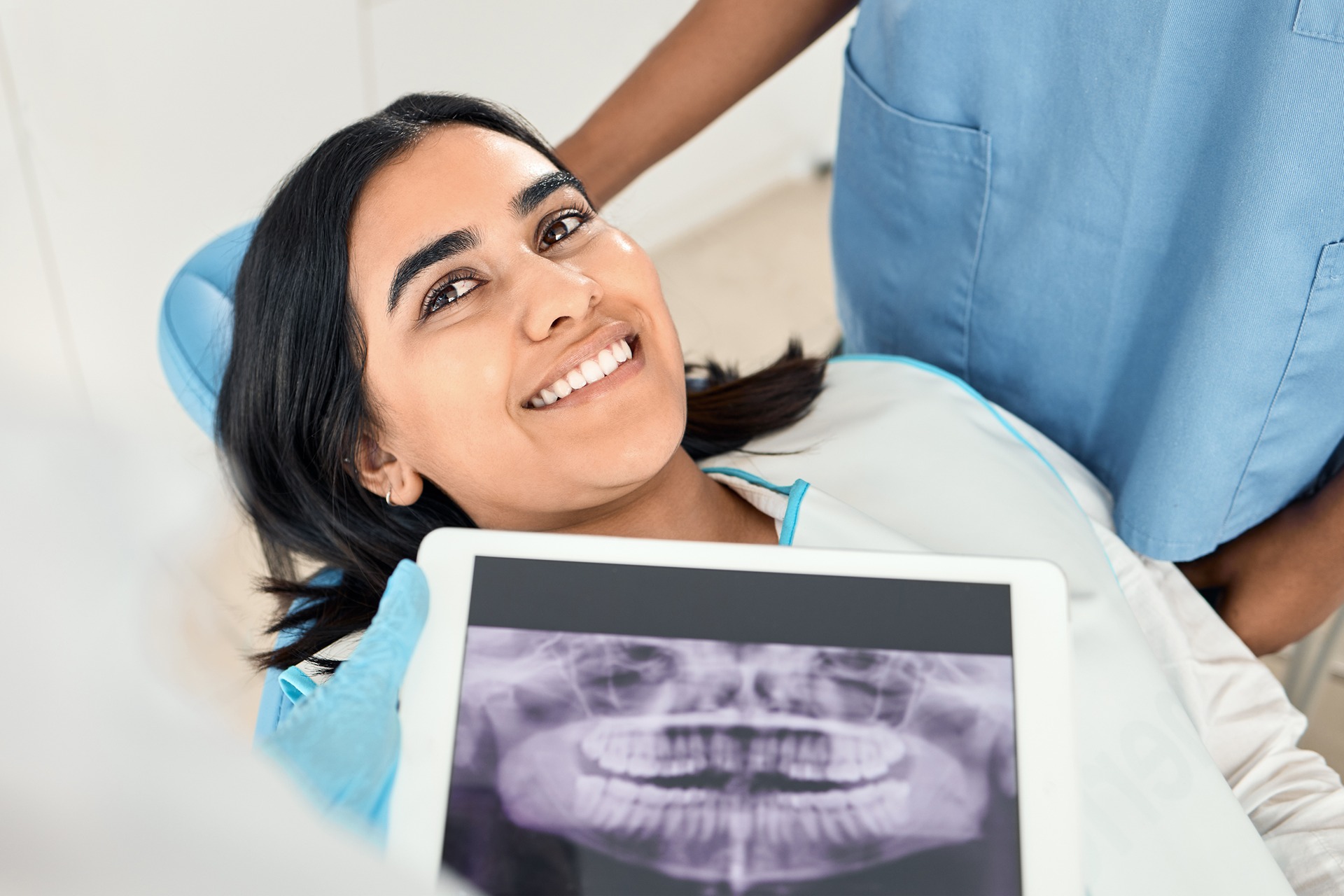
Digital X-rays
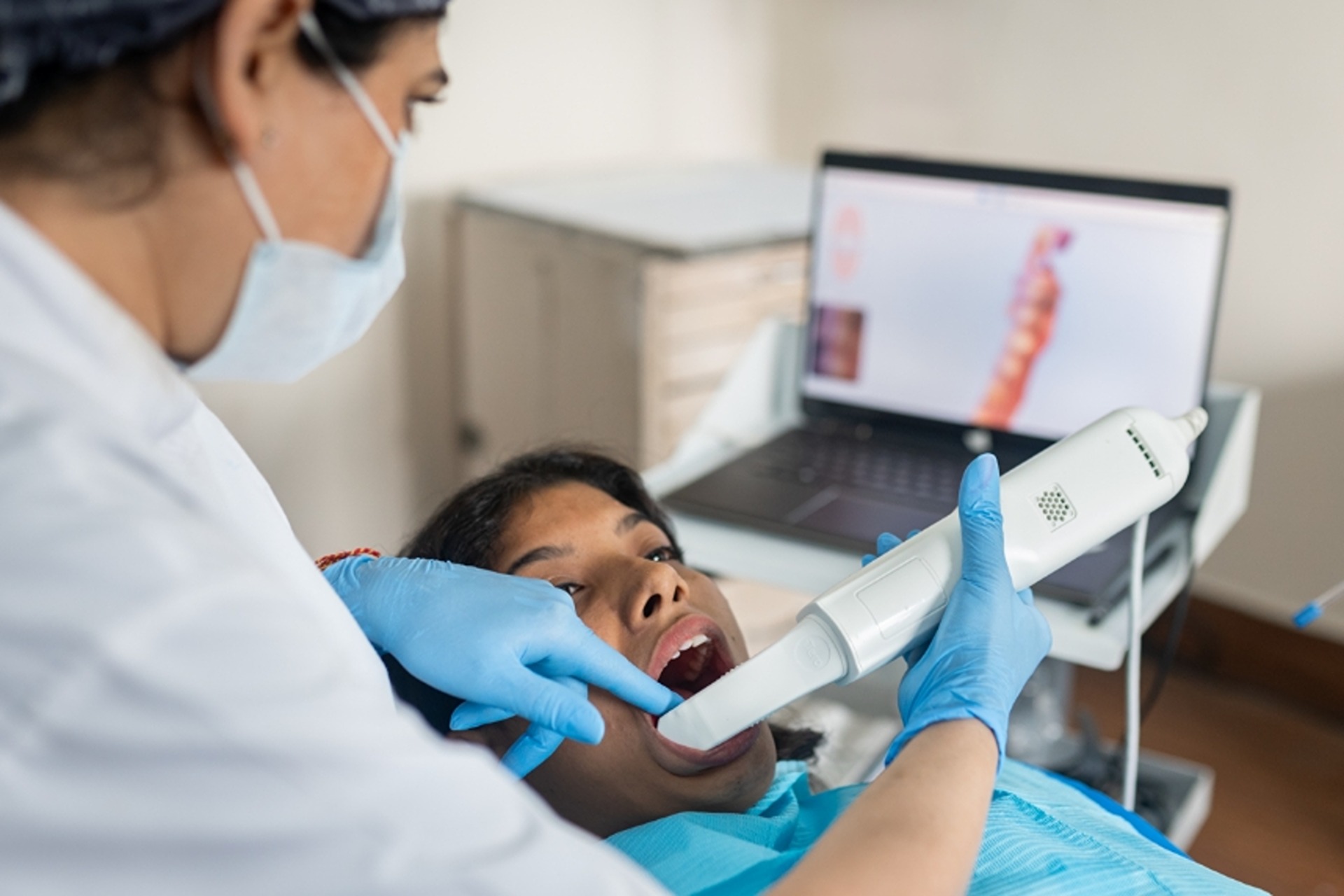
Intraoral Scanner
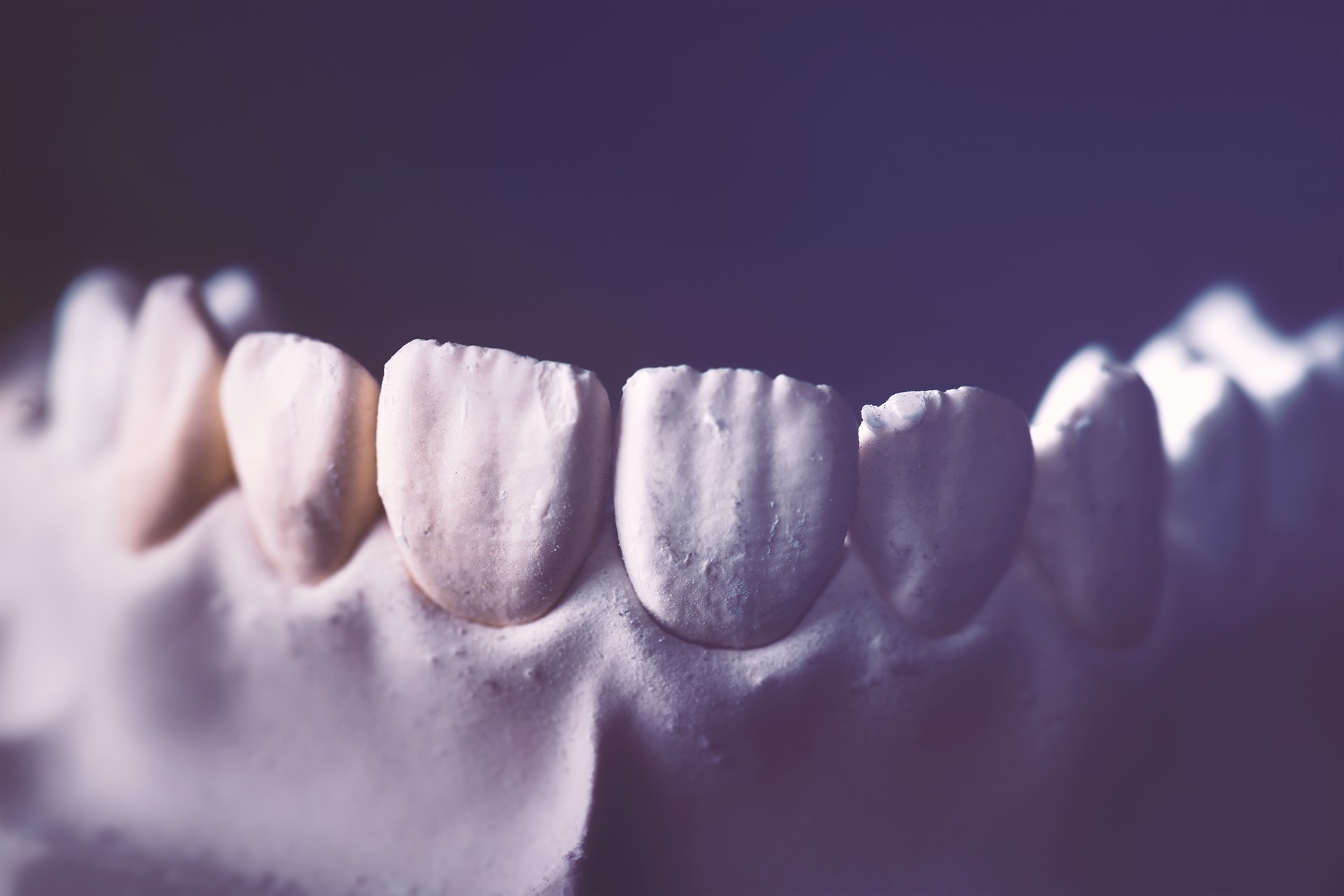
CAD/CAM Restorations
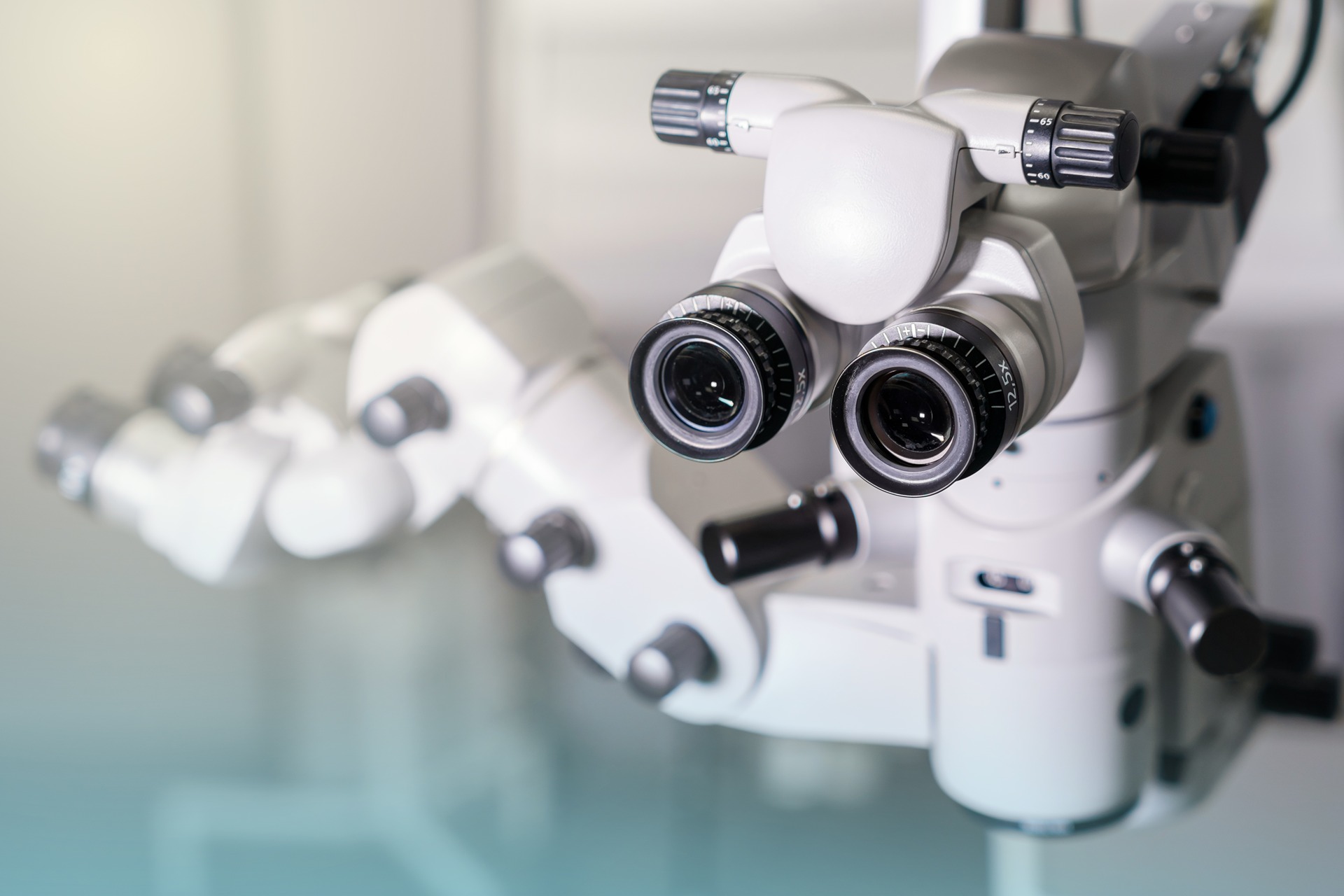
Microscope Dentistry
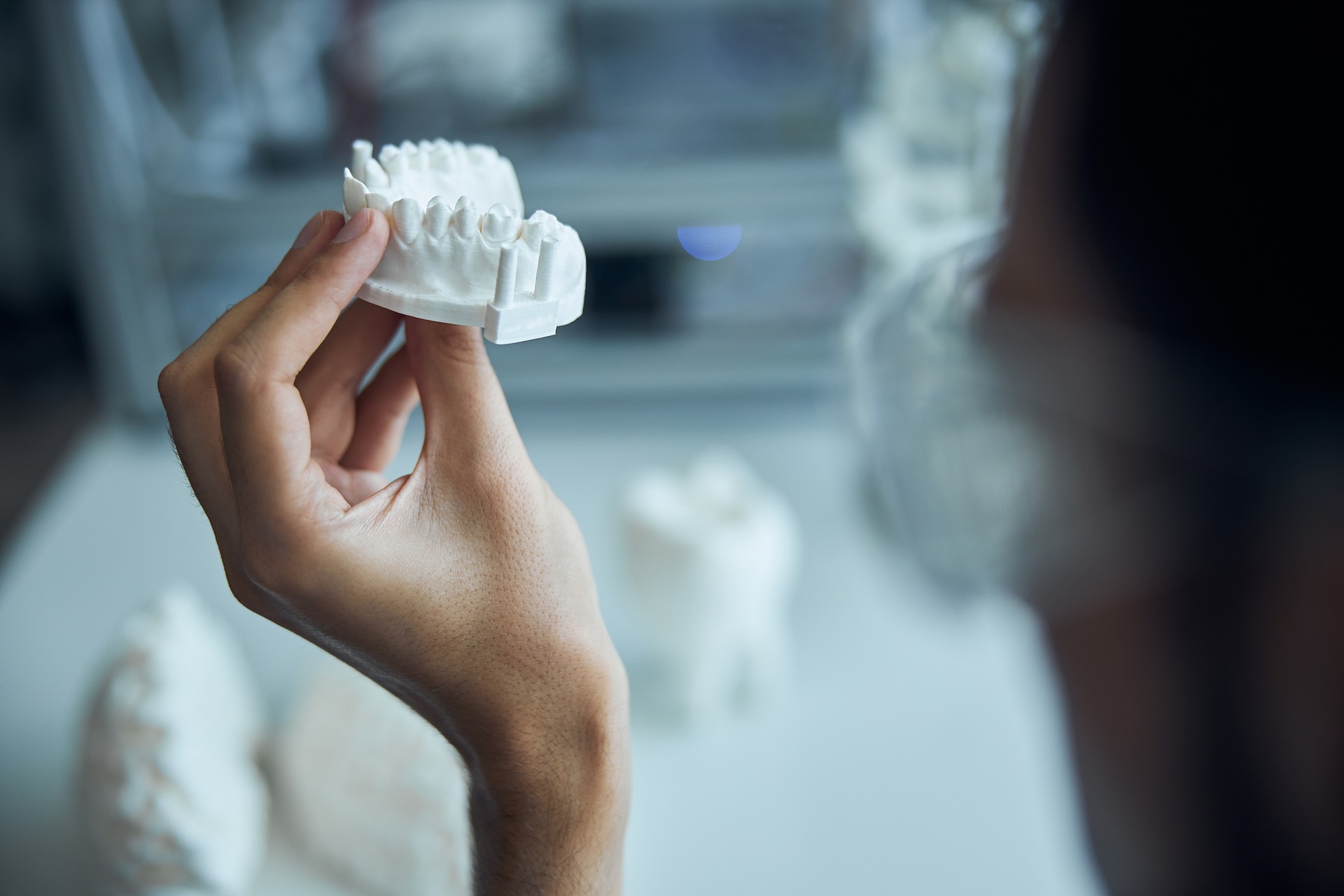
3D Printing
What our patients say
 Vikram James
★★★★★
This the best dental clinic period. I had visited with a completely fractured tooth. Dr. Sudeep managed to save the tooth with reinforcement and a high quality crown. A very gifted Doctor. I had absolutely ZERO pain, was comfortable and it was a pleasure unlike my past experiences with dentists. Strongly recommend this clinic. It has no equal.
A very gifted Doctor. I had absolutely ZERO pain, was comfortable and it was a pleasure unlike my past experiences with dentists.
Strongly recommend this clinic. It has no equal.
chandni hingorani
★★★★★
Dr Sudeep Bhalerao is a legend. Had my dental filling done recently and I’m so relieved with how easy it was! Dr Sudeep was gentle, patient and super reassuring. No pain, no discomfort and everything was done perfectly. Highly recommend if you’re nervous about dental work. You’ll be in good hands!
Had my dental filling done recently and I’m so relieved with how easy it was! Dr Sudeep was gentle, patient and super reassuring. No pain, no discomfort and everything was done perfectly. Highly recommend if you’re nervous about dental work. You’ll be in good hands!
prerna patel
★★★★★
Dr. Sudeep Bhalerao is one of the most skilful and prompt doctors. He is very perfect with his work and, The equipment used here is highly advanced and the ambience is very clean and soothing.
Gopi A
★★★★★
Dr. Bhalerao is the best! He's skilled, professional, and makes going to the dentist way less painful than it should be. If you need a dentist who actually knows what he's doing and is a cool guy on top of it, this is your person.
Chetan Kharey
★★★★★
Dr Sudeep is Very professional courteous and forthcoming. I got braces done at dental and maxillofacial clinic and was extremely satisfied with the outcome and how Dr Sudeep was very specific in his treatment plans. Very transparent in his treatment planning. I took my son for his dental work and Dr Sudeep lived up to my expectations. I highly recommend Dr Sudeep Bhalerao for any dental treatment.
I got braces done at dental and maxillofacial clinic and was extremely satisfied with the outcome and how Dr Sudeep was very specific in his treatment plans. Very transparent in his treatment planning.
I took my son for his dental work and Dr Sudeep lived up to my expectations. I highly recommend Dr Sudeep Bhalerao for any dental treatment.
Shanta Krishnamurthy
★★★★★
The best dentist in town so easy on the mouth absolutely no stress at all I would highly recommend
Abhiram agarwal
★★★★★
Superb service fully satisfied with dr sandeep recommend all
Tarun Lakhani
★★★★★
Dr.Sudeep takes time to appropriately advise his flawless treatment. Very professional and the entire experience has been overwhelming. I highly recommend his expertise.
Gurbax Soni
★★★★★
Dr Bhalerao’s clinic is one of the oldest and reputed ones in Hyderabad. Good location and very clean & hygeinic. Dr Sudeep is a wonderful doctor and he makes the treatment experience very smooth and easy. I have got my problems resolved with Dr Sudeep successfully! He reccomends solutions which are necessary, and never suggests any extra treatments one may not need! All in all - most reliable and trustworthy!
The experts behind your smile.
At 10 Banjara Dental, you're in the hands of experienced specialists who combine clinical excellence with a gentle, patient-first approach. We take the time to listen, understand, and create care that's right for you.
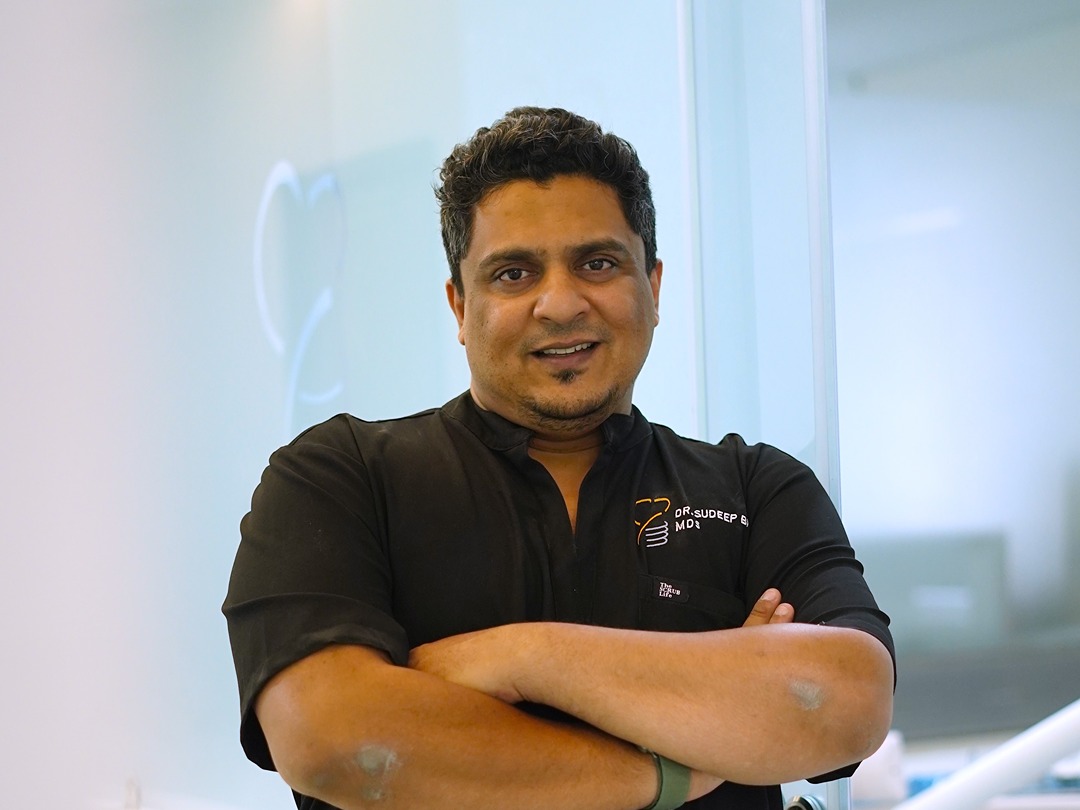
Dr. Sudeep Bhalerao
He specialises in correction of various teeth malocclusions with braces and also correction of major dentofacial deformities with orthodontics and orthognathic surgery to correct the facial proportions.
 Invisalign
- Braces
- Tooth Pain
- Smile Design
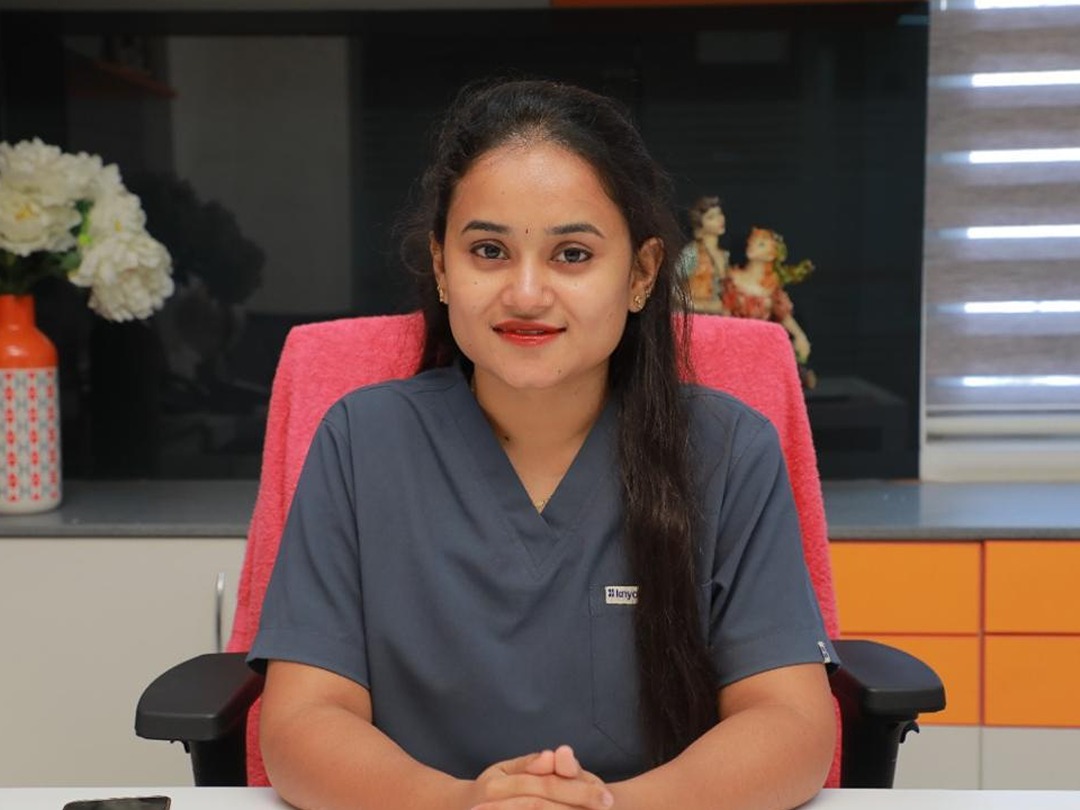
Dr. A. Sai Nikitha
Dr. A. Sai Nikitha is a Consultant Pediatric Dentist with over 5 years of clinical experience. She is passionate about providing children with comfortable, compassionate dental care and helping them develop healthy oral habits for life.
- Pediatric Dentistry
- Preventive Dentistry
- Child Dental Care
- General Anesthesia
- Oral Health Education
Frequently asked questions
It is recommended that a child has their first dental visit by their first birthday or within six months of the first tooth appearing. Early visits help establish good habits and allow dental development to be monitored.
Most children benefit from a dental check-up approximately every six months. The recommended frequency may vary depending on their individual dental needs.
Baby teeth are important for chewing, speech development, maintaining space for permanent teeth, and healthy jaw development. Keeping them healthy can also help prevent pain and infection.
Brushing should begin as soon as the first tooth appears, using an age-appropriate toothbrush and an appropriate amount of fluoride toothpaste.
For children under 3 years, a small smear or rice-grain-sized amount of fluoride toothpaste is generally recommended. Children aged 3–6 years can use a pea-sized amount, with supervision to encourage spitting rather than swallowing.
Children should generally brush twice a day, particularly before bedtime. Parents may need to assist or supervise brushing until the child can brush effectively on their own.
Flossing should begin when two teeth touch each other, as a toothbrush cannot effectively clean the contact area between them.
Cavities can develop due to a combination of frequent sugar exposure, plaque, inadequate brushing, and individual susceptibility. Regular preventive dental care can significantly reduce the risk.
Dental sealants are thin protective coatings placed in the grooves of certain teeth, particularly back teeth. They help prevent food and bacteria from collecting in deep grooves and reduce the risk of cavities.
When used appropriately, fluoride is an important tool for preventing tooth decay and strengthening enamel. The amount and method of fluoride use should be appropriate for the child's age and individual needs.
A toothache should not be ignored. Contact your dentist for an assessment, particularly if there is swelling, fever, difficulty eating, or persistent pain.
If a baby tooth is completely knocked out, do not attempt to put it back into the socket. Contact a dentist promptly for assessment and advice.
A knocked-out permanent tooth is a dental emergency. Seek immediate dental care. If possible, handle the tooth only by the crown, avoid touching the root, and keep it moist while obtaining urgent professional advice.
Prolonged thumb or finger sucking can affect tooth alignment and jaw development. The impact depends on the duration, frequency, and intensity of the habit.
Prolonged pacifier use may influence dental and jaw development. Your paediatric dentist can advise on an appropriate time and provide guidance for gradual and comfortable discontinuation.
An early orthodontic assessment helps identify developing problems involving tooth alignment, jaw growth, crowding, crossbite, or bite development. Monitoring does not necessarily mean that immediate orthodontic treatment is required.
Yes. Some children benefit from early orthodontic intervention, while others may simply require monitoring until they are older. The appropriate timing depends on the child's growth, dental development, and specific orthodontic needs.
Encourage twice-daily brushing with fluoride toothpaste, regular dental visits, healthy snacks, and limiting frequent consumption of sugary foods and drinks. Avoid allowing children to continuously sip sugary beverages throughout the day.
Yes, when treatment is indicated. Untreated decay can cause pain, infection, difficulty eating, and damage to developing permanent teeth. The appropriate treatment depends on the tooth and extent of decay.
In selected cases, dental treatment under general anesthesia (GA) may be considered, particularly when extensive treatment is required or a child cannot cooperate with conventional dental care. Suitability is determined after careful assessment and treatment is performed with appropriate anaesthetic monitoring.
Start dental visits early, use positive and simple language, avoid sharing frightening dental experiences, and allow the dental team to introduce procedures gradually. A calm and positive approach can help build confidence.
Dental X-rays use very low radiation doses and are recommended only when clinically indicated. Appropriate techniques and protective measures are used to minimise exposure.
A balanced diet containing vegetables, fruits, dairy or suitable alternatives, whole grains, and protein-rich foods supports overall and dental health. Limiting frequent sugary snacks and drinks is particularly important.
Teeth grinding, or bruxism, can occur in children for various reasons. Occasional grinding may not require treatment, but persistent or severe grinding should be discussed with a dentist to assess tooth wear, jaw discomfort, and other contributing factors.
Preventive care helps identify problems early, protect developing teeth, and establish healthy oral hygiene habits. The goal is to help children grow with healthy teeth, healthy gums, and a positive attitude towards dental care.

Give Your Child A Healthy Start.
From Your Child's First Dental Visit To Regular Preventive Care And Growing Smile Assessments, We're Here To Make Dental Care Comfortable, Positive And Easy To Understand.