
Healthy Smiles
Start With Prevention.
Good dentistry isn't only about treating a problem when it appears. It's about identifying potential problems early, protecting your natural teeth and gums, and helping you maintain a healthy smile for years to come.
 Early Detection and DiagnosisPreventive Oral Health GuidanceComprehensive Dental ExaminationsCare for All Ages
Prevention first. Treatment when needed.
Many dental problems can develop silently before they cause pain. Regular examinations allow our dentists to identify early signs of decay, gum disease, enamel wear, bite problems and other oral health concerns before they become more complicated.

Dental Check-Ups
Comprehensive exams to detect issues early and keep your smile healthy.
Teeth Cleaning
Professional cleaning to remove plaque, tartar and surface stains.

Fillings & Cavity Treatment
Treat cavities early with tooth-colored fillings.

Gum Disease Treatment
Effective treatments to heal gums and prevent further damage.

Root Canal Treatment
Save your natural tooth and relieve pain with precision treatment.

Children’s Dentistry
Gentle dental care to build healthy habits early.

Preventive Care for Adults
Personalized care to maintain oral health at every stage.

Oral Health Education
Guidance and tips for better daily oral care.
Why
10 Banjara
Dental?
At 10 Banjara Dental, we take a preventive and minimally invasive approach wherever possible.

Professional Teeth Cleaning

Modern Diagnostic Technology

Early Detection and Diagnosis

Strict Sterilization Protocols

Comprehensive Dental Examinations

Comfortable patient experience
Our goal isn't simply to treat what's bothering you today.
It's to help you
avoid unnecessary dental problems tomorrow.
Advanced technology for better cosmetic results
Technology allows us to deliver cosmetic treatments with greater comfort and precision.
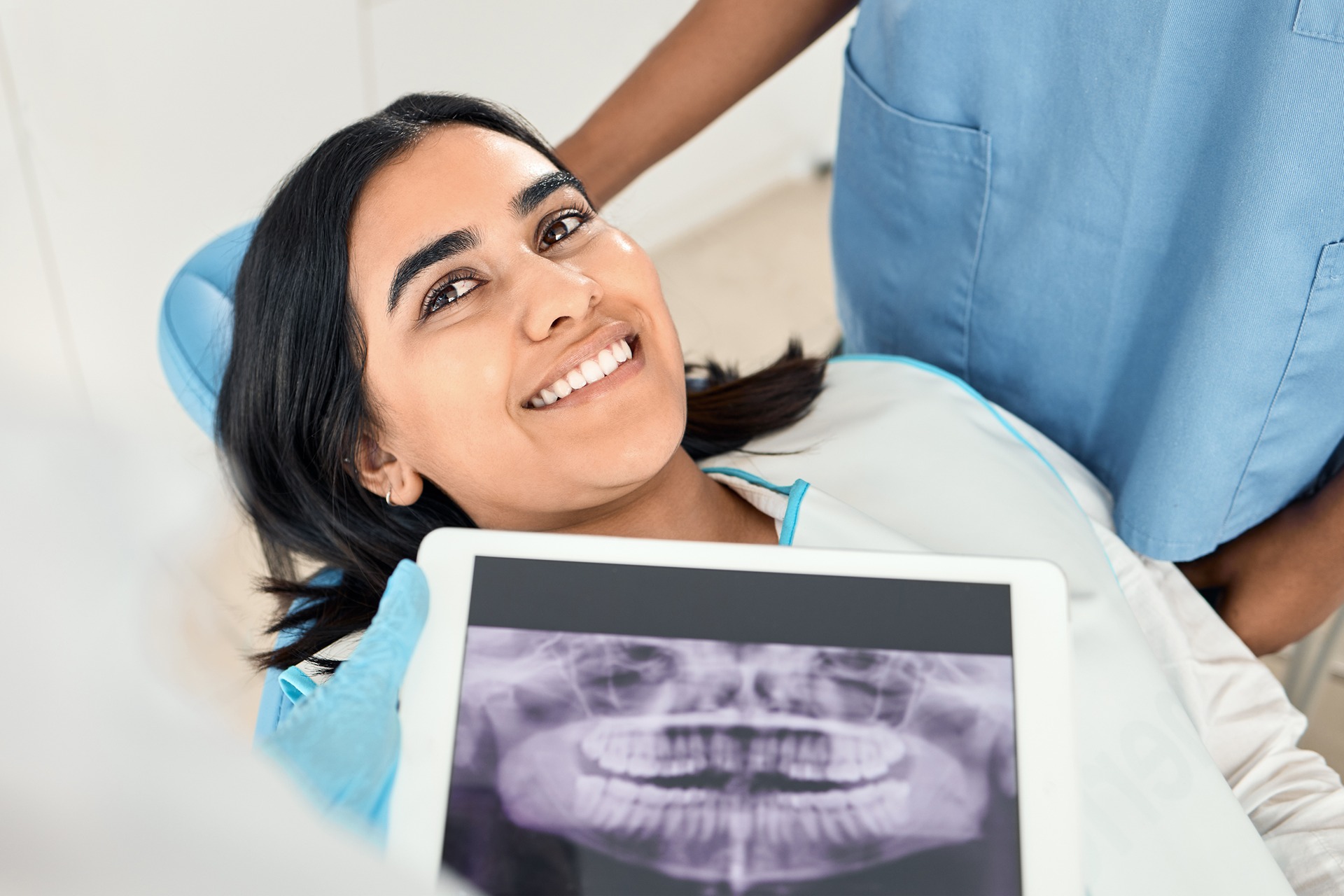
Digital X-rays
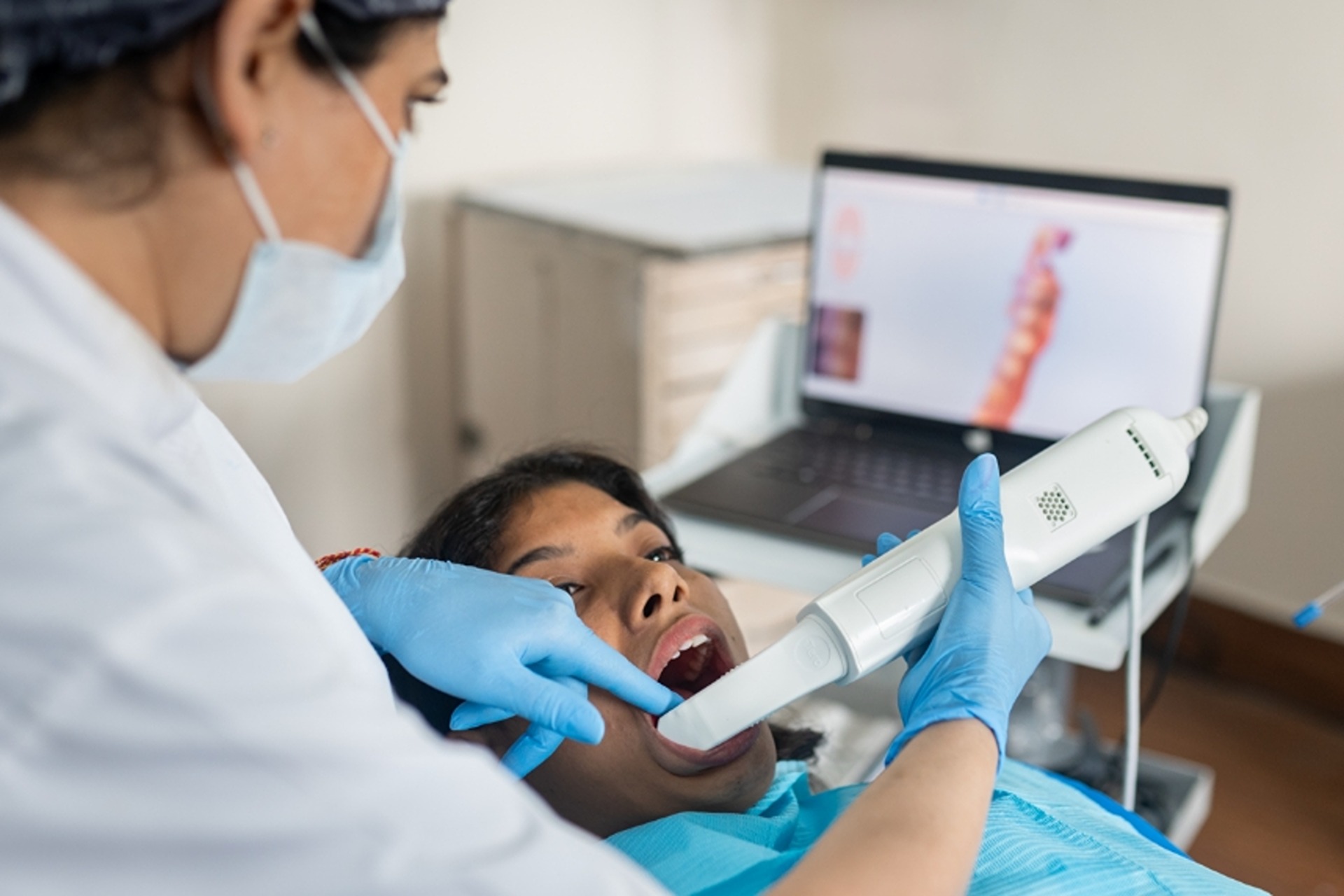
Intraoral Scanner
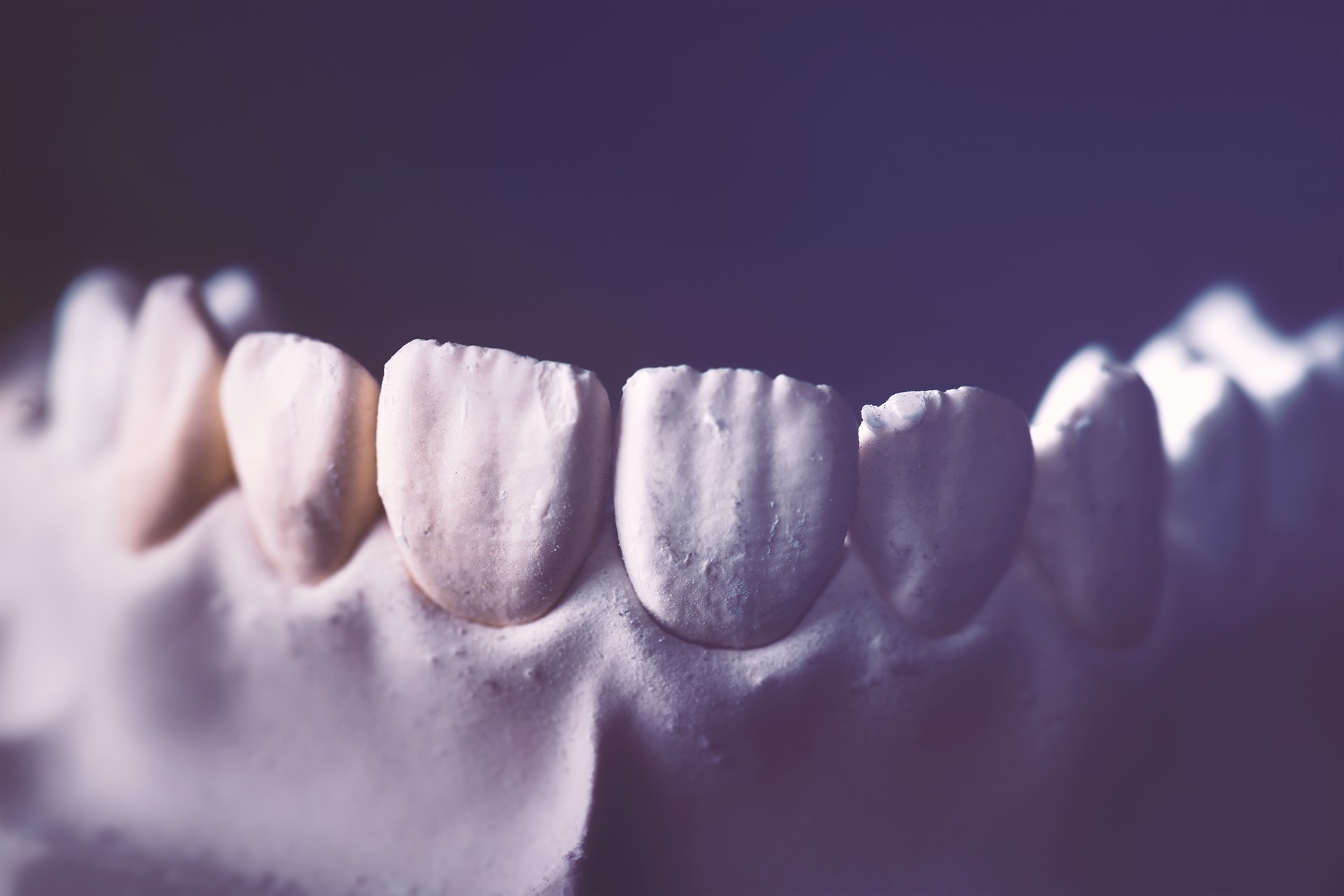
CAD/CAM Restorations
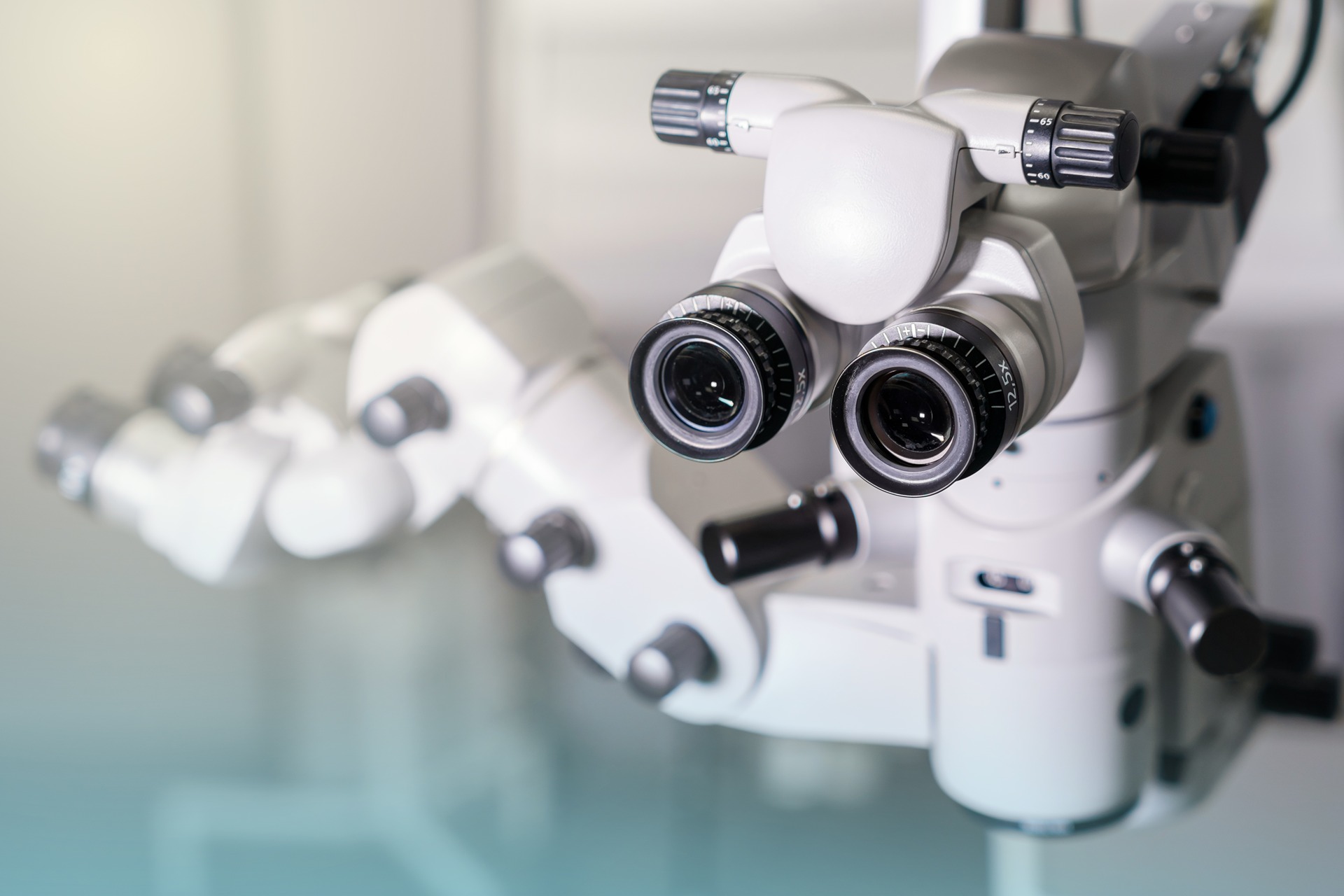
Microscope Dentistry
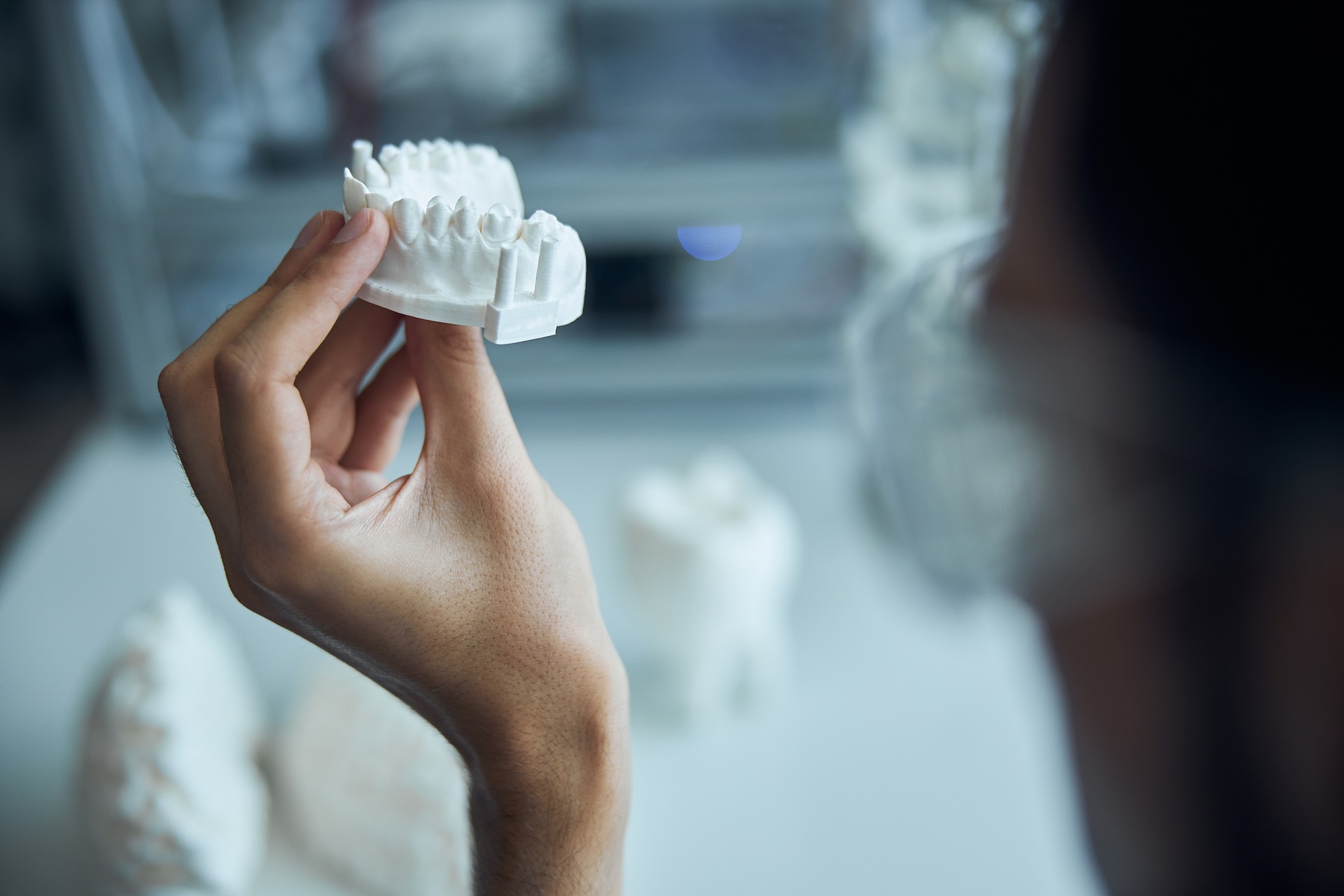
3D Printing
What our patients say
 Chaitanya Reddy
★★★★★
We are very satisfied with the result for my Daugther. Doctor Sudeep has done an excellent job . He explained us the whole procedure from day one . I will definitely suggest everyone to consult him .He is very genuine person .My Daugther just loved the output of her teeth now.
Ron Patel
★★★★★
I am from U S A Every time I come to Hyderabad, I get my dental work done by SUDEEP I have brought mom elderly parents also here, excellent work at Dental Banjara 10 Don’t forget to ask for coffee. This was the best coffee I have had. 😊😊😊
Every time I come to Hyderabad, I get my dental work done by SUDEEP
I have brought mom elderly parents also here, excellent work at Dental Banjara 10
Don’t forget to ask for coffee. This was the best coffee I have had. 😊😊😊
Harikrishna Kamozalwar
★★★★★
I consulted Dr. Sudeep for my root canal treatment. Really find myslelf lucky to find such caretaking, worthy clinic and friendly doctor. From the very first consultation to the final procedure, its an exeptional experience. I greatly appreciate the way you explained each step, ensuring I fill confident on treatment plan with ease in mind. Thanks to you, I am now totally pain-free and satisfied. Thank you once again for your coperation and kind service. I feel happy to have been in such capable and careful hands. -Harikrishna K
Really find myslelf lucky to find such caretaking, worthy clinic and friendly doctor.
From the very first consultation to the final procedure, its an exeptional experience.
I greatly appreciate the way you explained each step, ensuring I fill confident on treatment plan with ease in mind. Thanks to you, I am now totally pain-free and satisfied.
Thank you once again for your coperation and kind service. I feel happy to have been in such capable and careful hands.
-Harikrishna K
Chetan Kharey
★★★★★
Dr Sudeep is Very professional courteous and forthcoming. I got braces done at dental and maxillofacial clinic and was extremely satisfied with the outcome and how Dr Sudeep was very specific in his treatment plans. Very transparent in his treatment planning. I took my son for his dental work and Dr Sudeep lived up to my expectations. I highly recommend Dr Sudeep Bhalerao for any dental treatment.
I got braces done at dental and maxillofacial clinic and was extremely satisfied with the outcome and how Dr Sudeep was very specific in his treatment plans. Very transparent in his treatment planning.
I took my son for his dental work and Dr Sudeep lived up to my expectations. I highly recommend Dr Sudeep Bhalerao for any dental treatment.
Shanta Krishnamurthy
★★★★★
The best dentist in town so easy on the mouth absolutely no stress at all I would highly recommend
kvl
★★★★★
Doctor is really good, he makes it really easy to handle, process is smooth..place is clean and neat..Dr sudeep thank you!! I highly recommend this clinic.
I highly recommend this clinic.
Rashmi Gupta
★★★★★
This is a great place to go take care of your teeth. Dr. Sudeep Bhalerao is professional, informative caring and courteous of your time. The best dental care I have ever experienced! Would highly recommend to anyone who needs dental care!
younus saeed
★★★★★
I've been visiting this clinic since it was established. I have had teeth cleaning, Root canal and crown procedure performed by Dr. Sudeep and Dr. Siddharth. Very professional, honest and friendly Doctor's to deal with. There dental work is second to none, and extraordinary. I have nothing but praise for them. I highly recommend them to anyone who is looking to fix their smile. Thanks!!
There dental work is second to none, and extraordinary. I have nothing but praise for them. I highly recommend them to anyone who is looking to fix their smile.
Thanks!!
Gurbax Soni
★★★★★
Dr Bhalerao’s clinic is one of the oldest and reputed ones in Hyderabad. Good location and very clean & hygeinic. Dr Sudeep is a wonderful doctor and he makes the treatment experience very smooth and easy. I have got my problems resolved with Dr Sudeep successfully! He reccomends solutions which are necessary, and never suggests any extra treatments one may not need! All in all - most reliable and trustworthy!
The experts behind your smile.
At 10 Banjara Dental, you're in the hands of experienced specialists who combine clinical excellence with a gentle, patient-first approach. We take the time to listen, understand, and create care that's right for you.
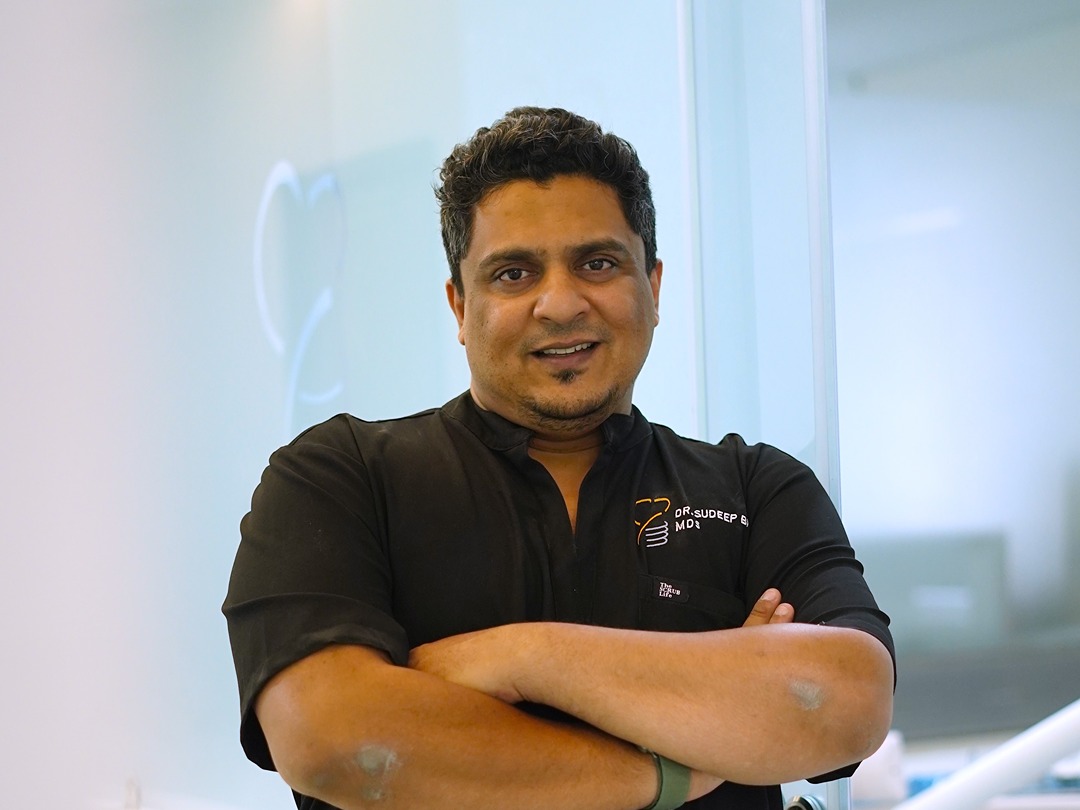
Dr. Sudeep Bhalerao
He specialises in correction of various teeth malocclusions with braces and also correction of major dentofacial deformities with orthodontics and orthognathic surgery to correct the facial proportions.
 Invisalign
- Braces
- Tooth Pain
- Smile Design
Frequently asked questions
It is generally recommended to have a dental check-up every 6 months. However, the frequency may vary depending on your oral health and individual needs.
Regular check-ups help detect cavities, gum disease, tooth wear, infections, and other dental problems at an early stage, when treatment is often simpler.
Professional dental cleaning is commonly recommended every 6–12 months, depending on your oral hygiene, gum health, and tendency to develop plaque or tartar.
Tooth decay is the process that damages the tooth, while a cavity is the hole or damaged area that can develop as a result of decay.
In many cases, yes. Depending on the extent of damage, treatment may include a filling, root canal treatment, crown, or other restorative procedure. Early treatment improves the chances of preserving the natural tooth.
A root canal may be required when the pulp or nerve inside a tooth becomes infected or severely inflamed, often due to deep decay, cracks, trauma, or repeated dental procedures.
Modern root canal treatment is performed under local anaesthesia, making the procedure comfortable for most patients. Some sensitivity or discomfort may occur for a few days afterwards.
Dental implants may be suitable for many adults, but candidacy depends on factors such as bone availability, gum health, overall oral health, and individual medical considerations.
Contact your dentist as soon as possible. Depending on the extent of the damage, the tooth may be restored using bonding, a filling, veneer, crown, or root canal treatment.
Bleeding gums are commonly associated with plaque accumulation and gum inflammation. Persistent bleeding should be evaluated by a dentist, as it may indicate gum disease or another underlying problem.
Brush twice daily with fluoride toothpaste, clean between your teeth regularly, limit frequent sugary foods and drinks, and maintain regular dental check-ups and professional cleaning.
Occasional sensitivity can occur, but persistent or severe sensitivity should not be ignored. It may be associated with tooth decay, worn enamel, gum recession, cracks, or other dental conditions.
Brush your teeth twice a day, clean between your teeth daily, maintain a balanced diet, limit excessive sugar, and visit your dentist regularly.
A child's first dental visit is recommended by the first birthday or within six months of the first tooth appearing. Early visits help establish healthy habits and allow dental development to be monitored.
Oral health is closely connected with overall wellbeing. Maintaining healthy teeth and gums and treating dental infections promptly are important parts of general healthcare.
For severe tooth pain, facial swelling, uncontrolled bleeding, a knocked-out tooth, or significant dental trauma, seek prompt professional dental care. If there is difficulty breathing or swallowing, seek emergency medical attention immediately.
Good daily oral hygiene, regular dental examinations, early treatment of dental problems, a healthy diet, and avoiding tobacco can all help preserve your natural teeth and maintain good oral health over the long term.

Don't Wait For A Dental Problem To Become An Emergency.
Whether It's Been Six Months Or Several Years Since Your Last Dental Visit, Taking Care Of Your Oral Health Starts With Understanding Where You Stand Today.