Expert Care When
Your Smile Needs More.
Some dental problems require more than routine treatment. Impacted wisdom teeth, severely damaged teeth, complex extractions and other conditions may require a carefully planned surgical approach.
 Complex Tooth ExtractionsWisdom Tooth CareComfortable Patient ExperienceComprehensive Surgical Assessment
Careful Planning. Precise Treatment.
Before recommending surgery, our team carefully evaluates your dental condition, medical and dental history and the surrounding structures to determine the most appropriate approach.

Wisdom Tooth Removal
Assessment and removal of wisdom teeth that are impacted, painful, infected or causing problems for surrounding teeth.

Surgical Tooth Extraction
Careful removal of teeth that cannot be predictably treated or require a surgical approach.

Impacted Tooth Management
Evaluation and treatment planning for teeth that are unable to erupt normally or are blocked by surrounding teeth or bone.
Complex Extractions
Surgical removal of teeth where conventional extraction may not be appropriate.
Dental Infection Management
Assessment and treatment planning for dental infections that may require surgical intervention.
Tooth & Root Fragment Removal
Removal of retained roots or fragments when they require surgical management.
Minor Oral Surgery
Selected minor surgical procedures involving the teeth and surrounding oral tissues.

Pre-Surgical Assessment
Detailed clinical and radiographic assessment to understand the surgical site and plan treatment appropriately.
Why
10 Banjara
Dental?
Surgery can understandably make patients anxious. Knowing what is happening, why it is necessary and how the procedure will be carried out can make a significant difference to the overall experience.

Detailed Diagnosis

Modern Diagnostic Technology

Careful Surgical Planning

Patient-Centred Communication

Conservative Treatment Philosophy

Comfortable Surgical Experience
Good oral surgery begins before the procedure.
It begins with understanding
exactly what needs to be treated and why.
Advanced technology for better cosmetic results
Technology allows us to deliver cosmetic treatments with greater comfort and precision.
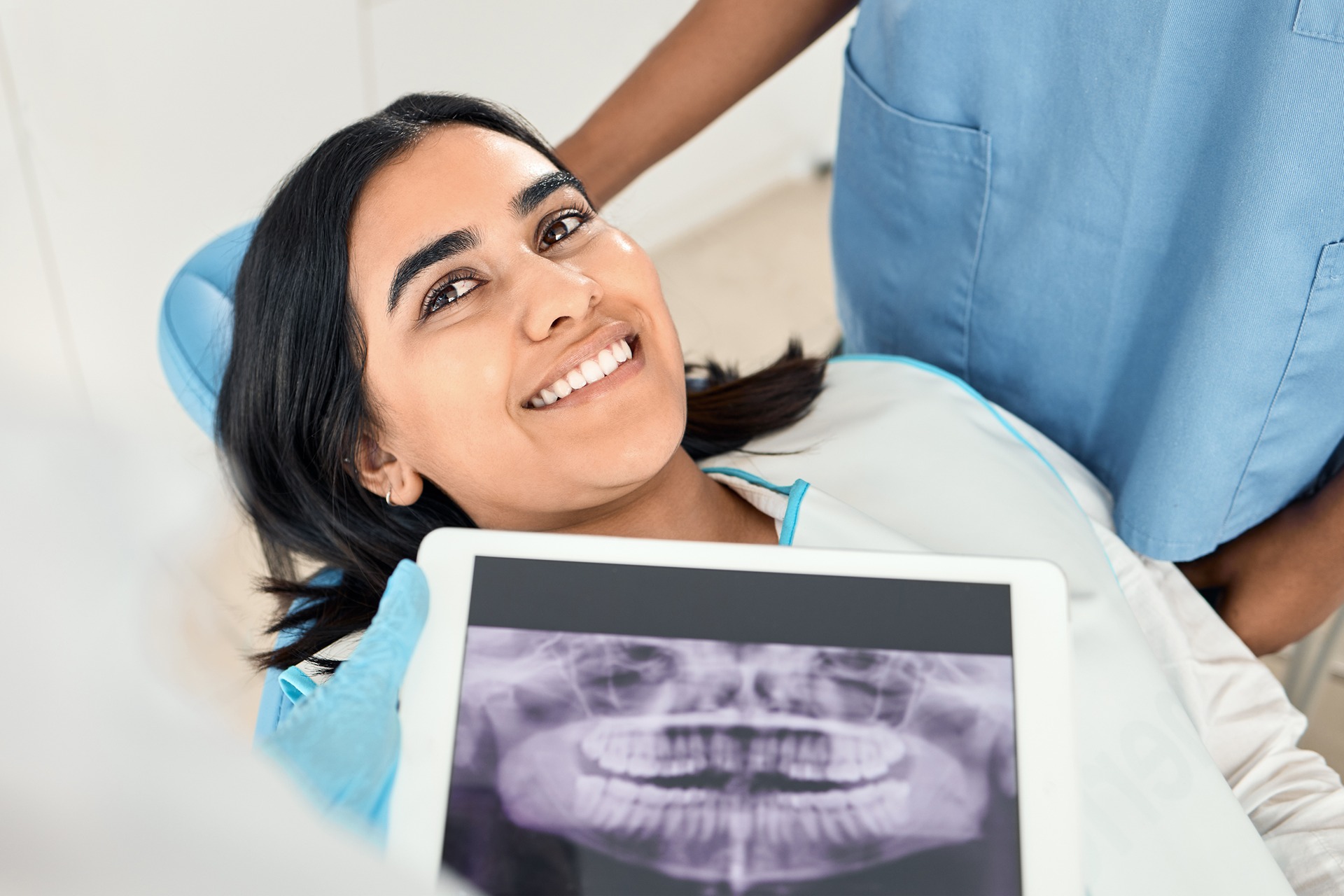
Digital X-rays
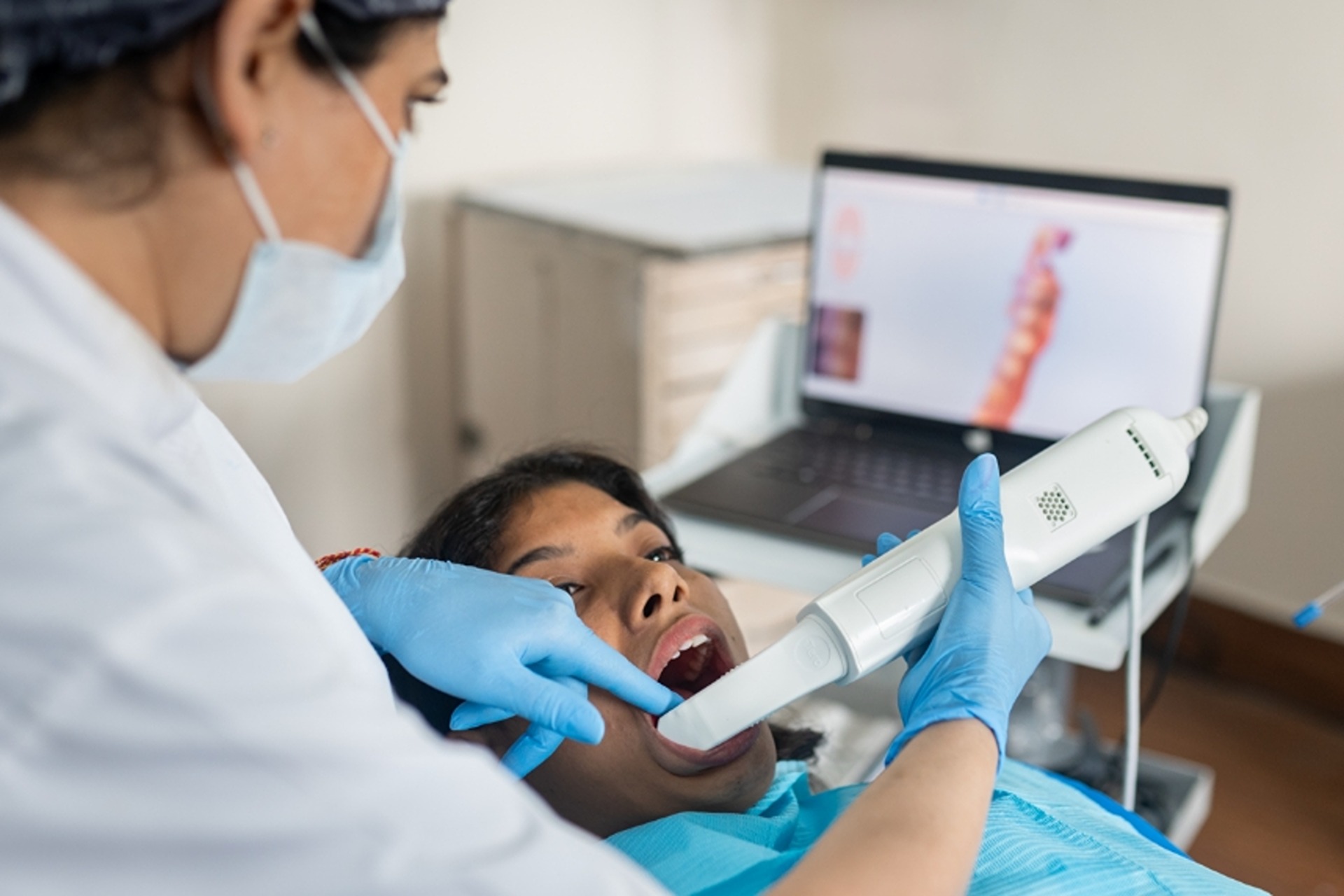
Intraoral Scanner
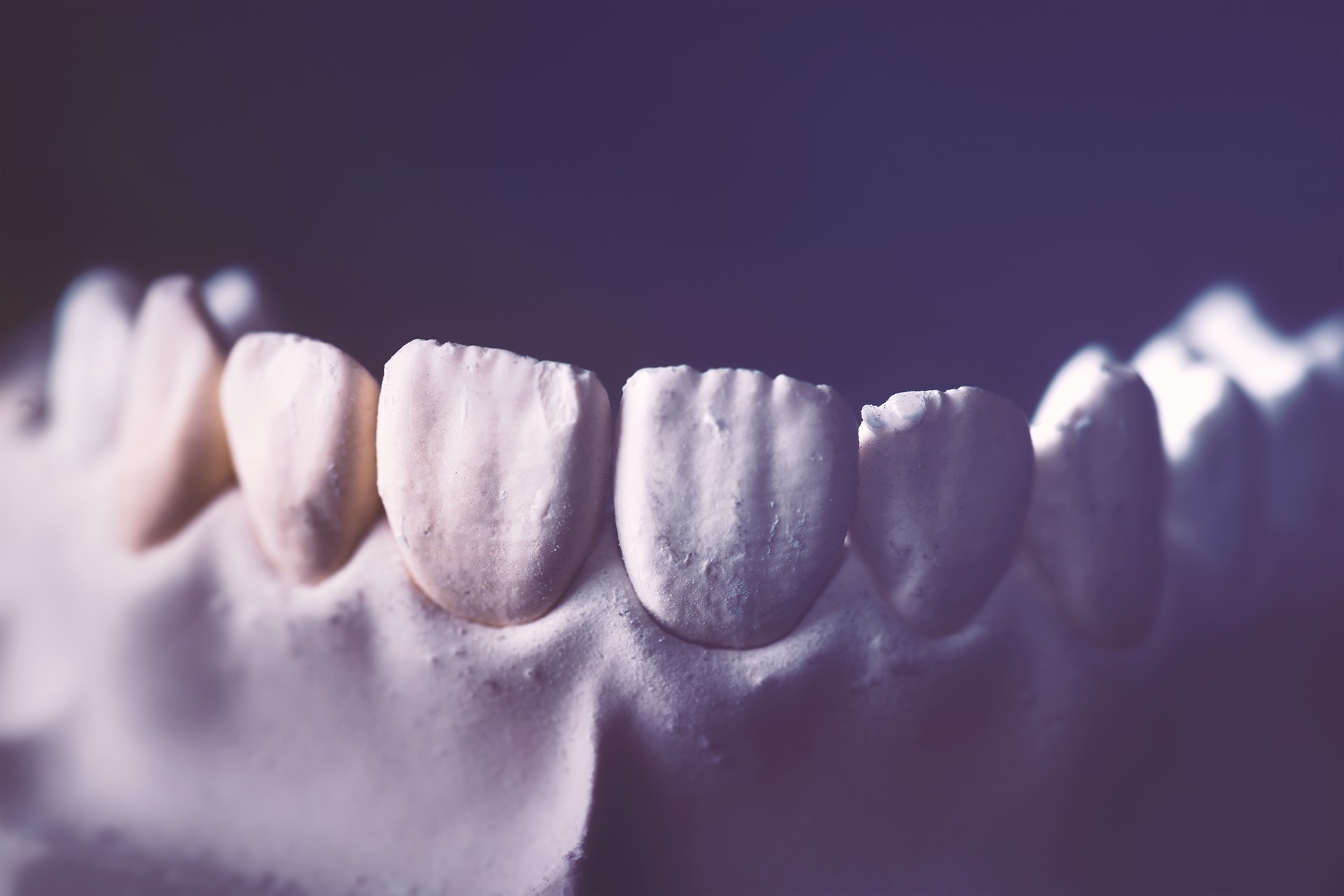
CAD/CAM Restorations
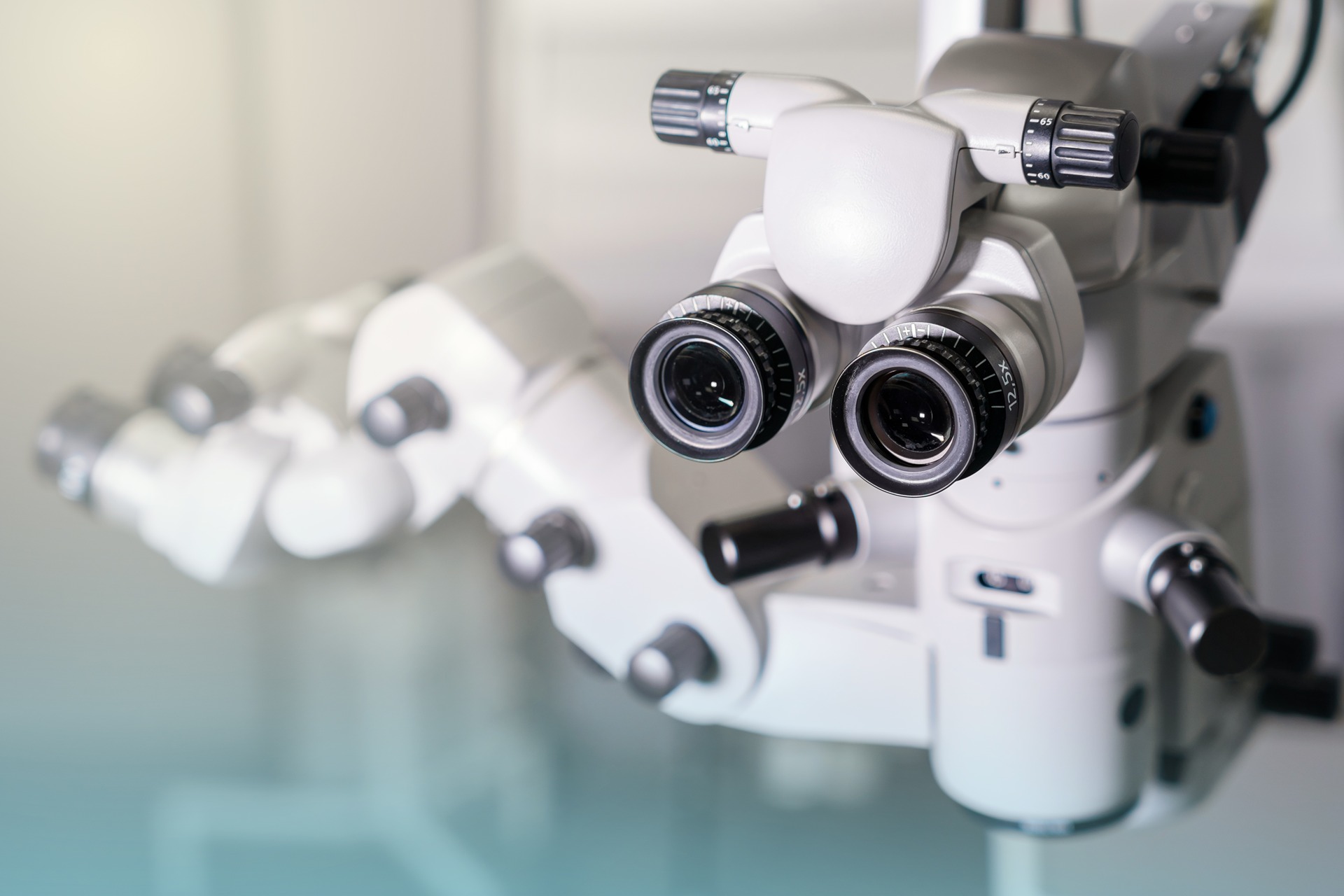
Microscope Dentistry
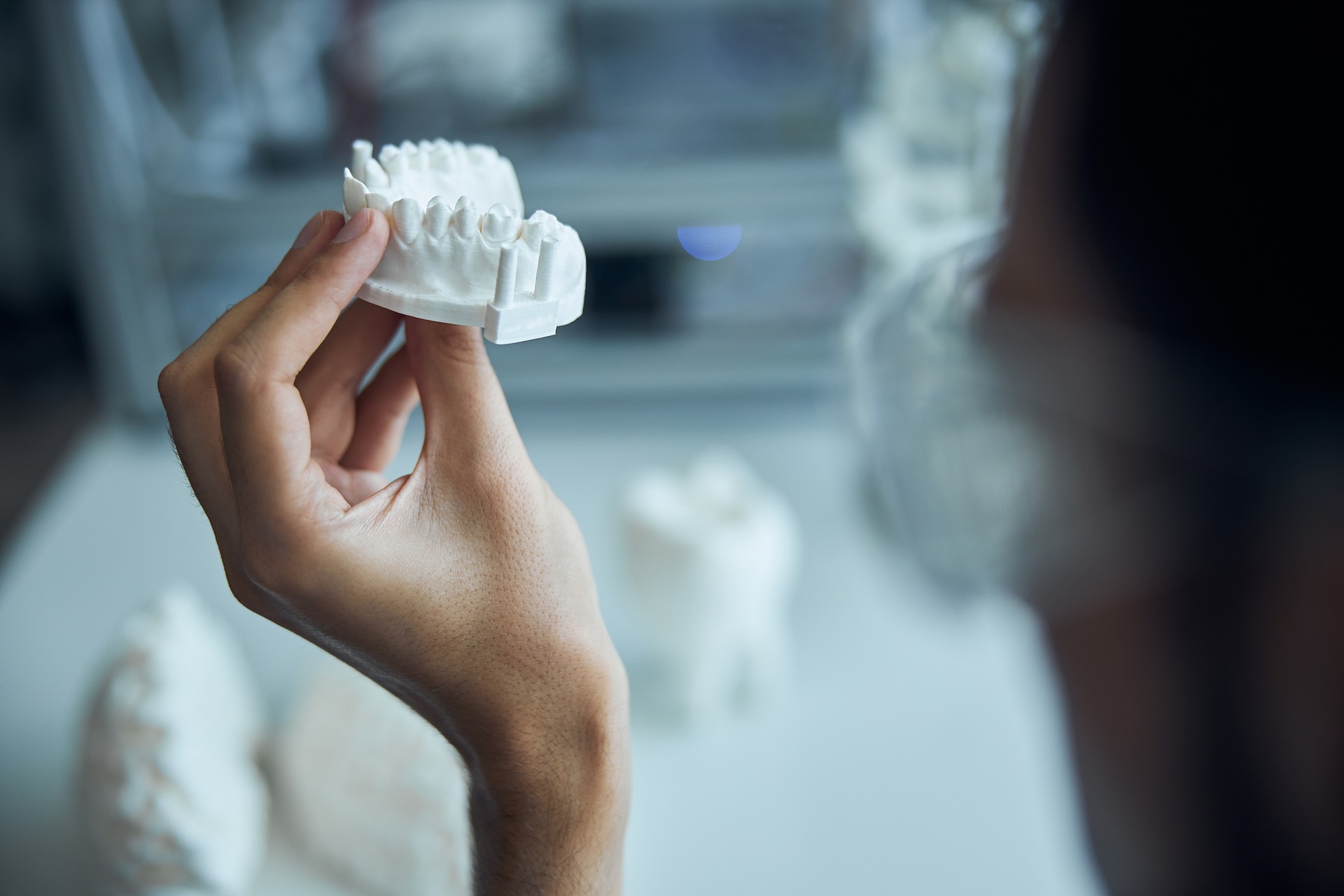
3D Printing
What our patients say
 Rasika Bhalerao
★★★★★
I recently visited Dr. Sudeep’s dental clinic, and the experience was truly exceptional. From the moment you walk in, the atmosphere is calm, soothing, and welcoming, which instantly puts you at ease—something that makes a huge difference when visiting a dentist. Dr. Sudeep is incredibly gentle, patient, and attentive. He takes the time to explain procedures clearly and ensures you are comfortable throughout the treatment. His calm approach and reassuring manner make even the most anxious patients feel relaxed. What stands out most is his genuine care for his patients. He works with great precision and professionalism while maintaining a warm and friendly demeanor. It’s rare to find a dentist who combines such skill with such a gentle touch. I would highly recommend Dr. Sudeep to anyone looking for a trustworthy, compassionate, and highly competent dentist. You’ll be in very good hands.
Dr. Sudeep is incredibly gentle, patient, and attentive. He takes the time to explain procedures clearly and ensures you are comfortable throughout the treatment. His calm approach and reassuring manner make even the most anxious patients feel relaxed.
What stands out most is his genuine care for his patients. He works with great precision and professionalism while maintaining a warm and friendly demeanor. It’s rare to find a dentist who combines such skill with such a gentle touch.
I would highly recommend Dr. Sudeep to anyone looking for a trustworthy, compassionate, and highly competent dentist. You’ll be in very good hands.
Ron Patel
★★★★★
I am from U S A Every time I come to Hyderabad, I get my dental work done by SUDEEP I have brought mom elderly parents also here, excellent work at Dental Banjara 10 Don’t forget to ask for coffee. This was the best coffee I have had. 😊😊😊
Every time I come to Hyderabad, I get my dental work done by SUDEEP
I have brought mom elderly parents also here, excellent work at Dental Banjara 10
Don’t forget to ask for coffee. This was the best coffee I have had. 😊😊😊
Amit Singh
★★★★★
I had my wife’s and mother’s dental treatments done here, and the experience was excellent. Dr. Sudeep is very knowledgeable and took the time to thoroughly explain the treatment options and dental care practices. Highly recommended.
Varun Reddy
★★★★★
⭐️ ⭐️ ⭐️ ⭐️ ⭐️ - Dr. Sudeep is one of Hyderabad’s best dentist. Doc has a great taste in music which keeps you calm during the procedure. Place is designed to be comfortable and clear.
shekhar chergondi
★★★★★
The Dental clinic @10 banjara best clinic for dental treatment, From the moment I walked in the clinic was clean modern and hygienic which immediately gave me confidence doctor Sudeep is extremely professional knowledgeable and patient friendly
Harikrishna Kamozalwar
★★★★★
I consulted Dr. Sudeep for my root canal treatment. Really find myslelf lucky to find such caretaking, worthy clinic and friendly doctor. From the very first consultation to the final procedure, its an exeptional experience. I greatly appreciate the way you explained each step, ensuring I fill confident on treatment plan with ease in mind. Thanks to you, I am now totally pain-free and satisfied. Thank you once again for your coperation and kind service. I feel happy to have been in such capable and careful hands. -Harikrishna K
Really find myslelf lucky to find such caretaking, worthy clinic and friendly doctor.
From the very first consultation to the final procedure, its an exeptional experience.
I greatly appreciate the way you explained each step, ensuring I fill confident on treatment plan with ease in mind. Thanks to you, I am now totally pain-free and satisfied.
Thank you once again for your coperation and kind service. I feel happy to have been in such capable and careful hands.
-Harikrishna K
kvl
★★★★★
Doctor is really good, he makes it really easy to handle, process is smooth..place is clean and neat..Dr sudeep thank you!! I highly recommend this clinic.
I highly recommend this clinic.
Abdul Azhar
★★★★★
I went to Dr Sudeep bhalerao for my root canal treatment....I was apprehensive about the pain but I had no pain throughout the procedure and he was very passifying and reassuring. It is a very Hygienic set up. I Highly recommend Dr Sudeep Bhalerao and Dental & Maxillofacial Clinic at 10 Banjara
It is a very Hygienic set up.
I Highly recommend Dr Sudeep Bhalerao and Dental & Maxillofacial Clinic at 10 Banjara
Dharmesh T Esyon
★★★★★
Good location, easy to find, good ambience, very professional behaviour, the doctor is definitely knows what he is doing and not just that he also explains clearly as what the problem is and what treatment needs to be done. Highly recommended. Procedure fee are also reasonable.
The experts behind your smile.
At 10 Banjara Dental, you're in the hands of experienced specialists who combine clinical excellence with a gentle, patient-first approach. We take the time to listen, understand, and create care that's right for you.
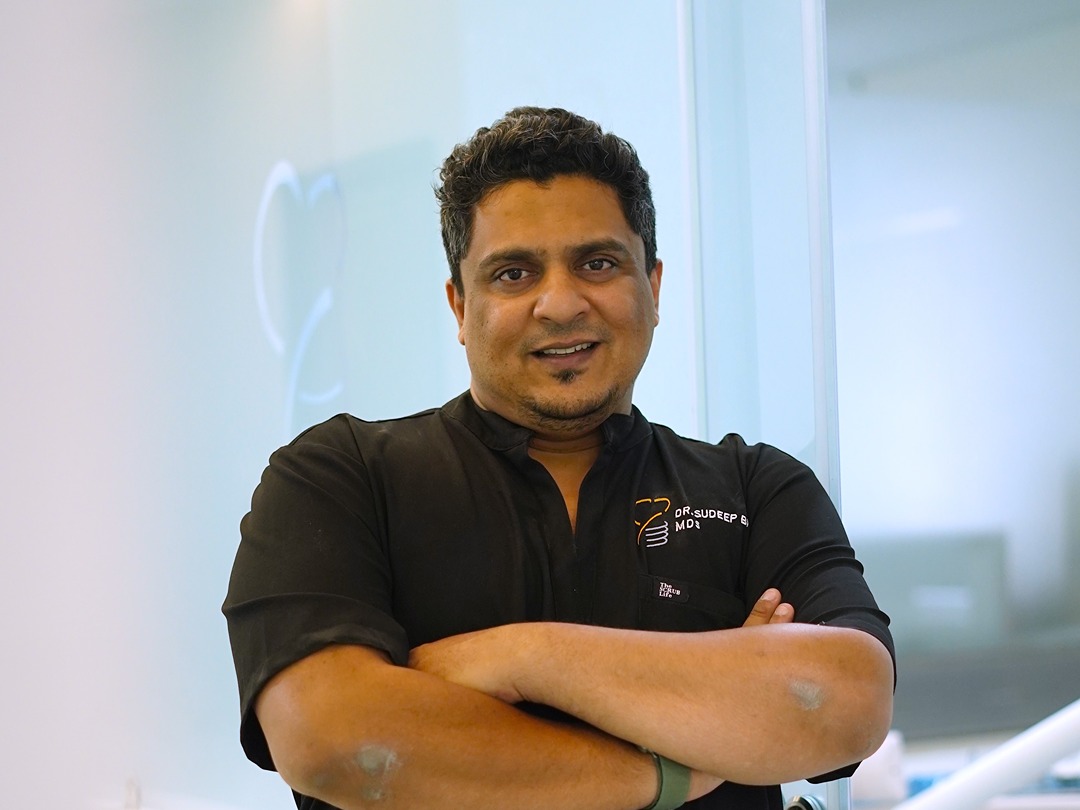
Dr. Sudeep Bhalerao
He specialises in correction of various teeth malocclusions with braces and also correction of major dentofacial deformities with orthodontics and orthognathic surgery to correct the facial proportions.
 Invisalign
- Braces
- Tooth Pain
- Smile Design
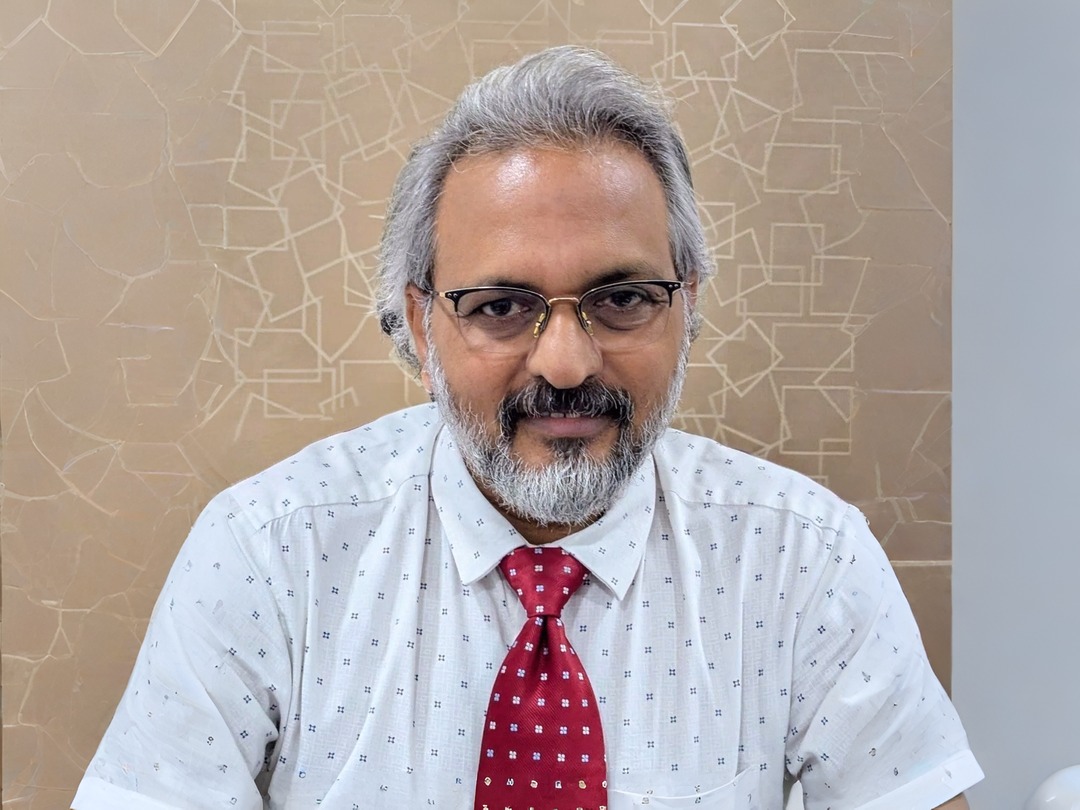
Dr. G. Rajashekar
Dr. G. Rajashekar is a highly experienced Oral and Maxillofacial Surgeon with over 32 years of clinical experience. He is known for his surgical expertise, precision, careful treatment planning, and commitment to patient safety and comfort.
- Oral & Maxillofacial Surgery
- Complex Surgical Cases
- Wisdom Tooth Extraction
- Surgical Treatment Planning
- Oral Surgical Procedures
Frequently asked questions
Oral surgery is a specialised area of dentistry involving the diagnosis and surgical treatment of conditions affecting the teeth, jaws, mouth, and surrounding tissues.
Oral surgery may be recommended for conditions such as impacted wisdom teeth, difficult tooth extractions, dental infections, jaw cysts, facial trauma, bone loss, and dental implant procedures.
Oral surgical procedures are performed with appropriate local anaesthesia, so you should not feel pain during the procedure. Some swelling, soreness, or discomfort may occur during recovery.
Wisdom tooth surgery involves removing a wisdom tooth that is impacted, partially erupted, infected, overcrowded, or causing damage to adjacent teeth. The procedure may be straightforward or surgical depending on the tooth's position.
Removal may be recommended if the tooth is causing pain, infection, decay, gum problems, cyst formation, or damage to neighbouring teeth. An assessment and appropriate imaging help determine whether removal is necessary.
A surgical extraction may be required when a tooth cannot be removed easily using a conventional extraction technique. It may involve accessing the tooth through the gum and, when necessary, carefully sectioning the tooth.
In many cases, dentists aim to preserve natural teeth whenever possible. Depending on the condition, options may include root canal treatment, crowns, periodontal treatment, or other restorative procedures. Extraction is considered when a tooth cannot be predictably saved.
Some pain, swelling, and mild bleeding are common after oral surgery. Your surgical team will provide specific instructions regarding diet, oral hygiene, medication, and activity during recovery.
Recovery varies according to the procedure and individual healing. Many patients experience significant improvement within several days, while deeper surgical procedures may require a longer recovery period.
A dental implant is a biocompatible replacement for the root of a missing tooth. It can support a crown, bridge, or denture and help restore chewing function and appearance.
Not everyone requires bone grafting. If there is insufficient bone volume or density for predictable implant placement, bone grafting or another augmentation procedure may be recommended.
Bone grafting is a procedure used to rebuild or augment areas of deficient jawbone. It may be performed to support dental implants or reconstruct areas affected by tooth loss, infection, trauma, or other conditions.
Cysts and tumours can develop in the jawbones or oral tissues. Many are benign, but any suspicious lesion requires appropriate clinical and radiographic assessment and, when indicated, biopsy or surgical management.
A biopsy involves removing a small sample of tissue for laboratory examination. It helps establish an accurate diagnosis when an abnormal area in the mouth or jaw requires further investigation.
Facial trauma surgery involves the assessment and treatment of injuries to the facial bones, jaws, teeth, and surrounding soft tissues following accidents, falls, sports injuries, or other trauma.
Yes. Oral and maxillofacial surgeons are trained to evaluate and manage many types of facial and jaw fractures, with treatment depending on the location, severity, and nature of the injury.
Corrective jaw surgery, or orthognathic surgery, is used to address certain skeletal jaw discrepancies that cannot be adequately corrected with orthodontic treatment alone. It may improve both function and facial balance.
Some procedures can be performed under local anaesthesia, while selected complex procedures may be carried out with sedation or general anesthesia, depending on the procedure, patient needs, and medical assessment.
As with any surgical procedure, risks can include pain, swelling, bleeding, infection, delayed healing, or temporary changes in sensation. Your surgeon will discuss procedure-specific risks and precautions before treatment.
Inform your surgeon about medical conditions, allergies, medications, previous surgeries, and any relevant dental or medical history. This information helps ensure appropriate treatment planning and safety.
Contact your dental team promptly if you experience persistent or increasing bleeding, rapidly worsening swelling, severe uncontrolled pain, fever, or other concerning symptoms. Difficulty breathing or swallowing requires immediate emergency medical attention.
Certain oral and maxillofacial procedures can contribute to facial balance and aesthetics, particularly when treating jaw discrepancies, facial trauma, or reconstructive conditions. Treatment planning considers both function and appearance where appropriate.
Your surgeon will provide procedure-specific instructions. These may include information about eating and drinking, medications, oral hygiene, transportation, and post-operative care.
Follow your surgeon's instructions carefully, maintain appropriate oral hygiene, avoid smoking or tobacco, follow dietary recommendations, and attend scheduled follow-up appointments.
The goal is to treat disease or injury, relieve pain, preserve or restore oral function, and where appropriate, restore facial form and aesthetics, while achieving safe and predictable surgical outcomes.

Understand Your Options Before You Decide.
Whether You're Dealing With An Impacted Wisdom Tooth, A Severely Damaged Tooth Or Have Been Advised To Consider An Extraction, The First Step Is Understanding The Problem And Your Available Options.